






Direct deep-sea carbon dioxide injection was once considered a promising technology for mitigating climate change by storing carbon dioxide in the ocean. However, concerns about its environmental impact and feasibility have led to its abandonment. This article explores the concept, challenges, and reasons behind the decline of this technology.
The Concept of Deep-Sea Carbon Dioxide Injection
The idea of injecting carbon dioxide into the deep ocean was first proposed in 1976 by Italian physicist Cesare
Marchetti. The concept involved storing carbon dioxide in stable pools at the ocean floor, where high pressures would keep it in a liquid state. The ocean's vast capacity could potentially hold over a thousand billion tons of carbon dioxide, making it an attractive option for reducing atmospheric CO2 levels.
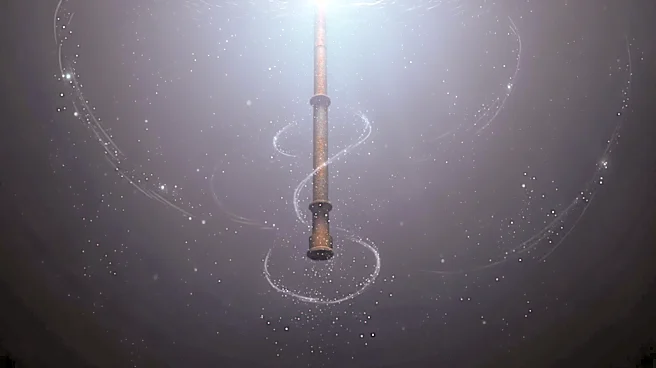
The process aimed to create stationary pools of carbon dioxide at the ocean bottom, where it would remain for centuries. This method was seen as a way to mitigate the impact of CO2 emissions on surface ocean biology while potentially affecting deep-ocean ecosystems. Despite its potential, the technology faced significant challenges that ultimately led to its decline.
Challenges and Environmental Concerns
One of the primary challenges of deep-sea carbon dioxide injection was the unknown impact on marine life. The deep ocean is home to diverse ecosystems that are not well understood, and the introduction of large amounts of carbon dioxide could have unpredictable effects. Concerns about the stability and permanence of the stored carbon dioxide also raised questions about the long-term viability of this approach.
The high costs associated with the technology further hindered its development. The infrastructure required for transporting and injecting carbon dioxide into the deep ocean was expensive, making it less attractive compared to other carbon storage methods. Additionally, public acceptance of this technology was doubtful, as the potential risks to marine life and the environment were not fully understood.
The Decline of Deep-Sea Injection
Interest in direct deep-sea carbon dioxide injection began to wane around 2001, as concerns about its environmental impact and feasibility grew. A special IPCC report in 2005 highlighted the potential effects on deep-ocean biology and questioned whether the public would accept this technology as part of a climate change mitigation strategy.
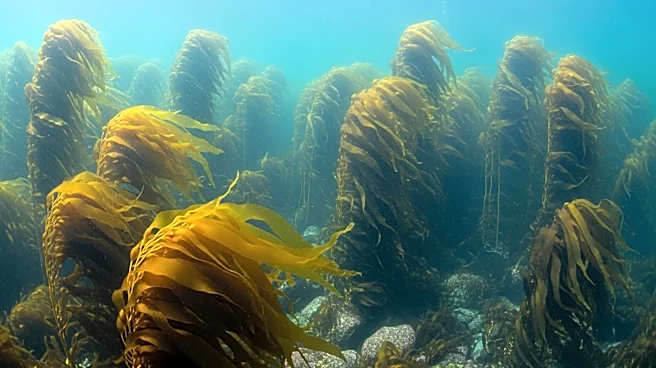
Today, the focus has shifted towards other methods of carbon capture and storage, such as blue carbon management in coastal zones. The lessons learned from the exploration of deep-sea carbon dioxide injection have contributed to a better understanding of the impacts of elevated CO2 levels on the ocean.
In conclusion, while direct deep-sea carbon dioxide injection once held promise as a climate engineering strategy, its challenges and environmental concerns have led to its abandonment. The technology serves as a reminder of the complexities involved in addressing climate change and the need for sustainable solutions.