
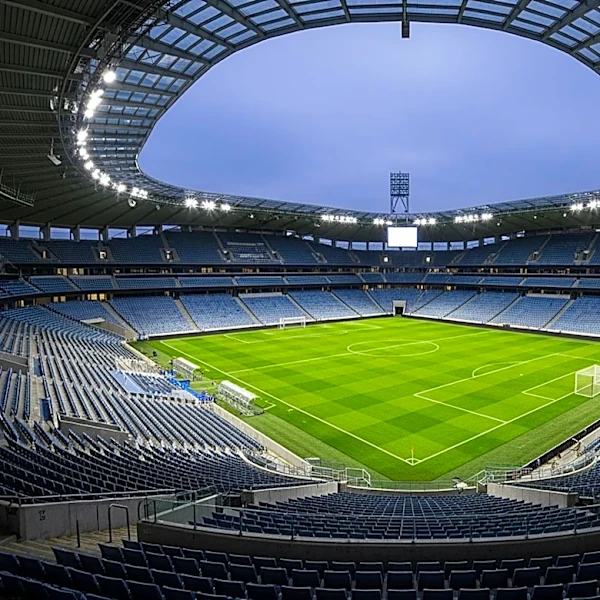

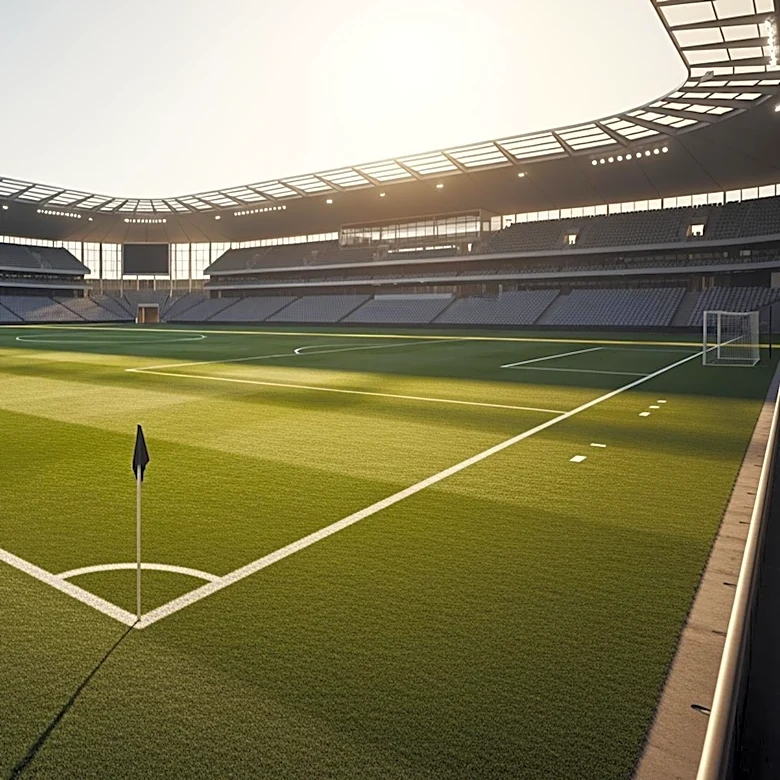



Waldstadion, now known as Deutsche Bank Park, is more than just a sports venue in Frankfurt, Germany. It has become an integral part of the city's cultural and social fabric, influencing the lives of residents and visitors alike. This article explores the cultural impact of Waldstadion on Frankfurt and how it has shaped the city's identity over the years.
A Hub for Sports and Entertainment
Since its opening in 1925, Waldstadion has been a central hub for sports and entertainment in Frankfurt.
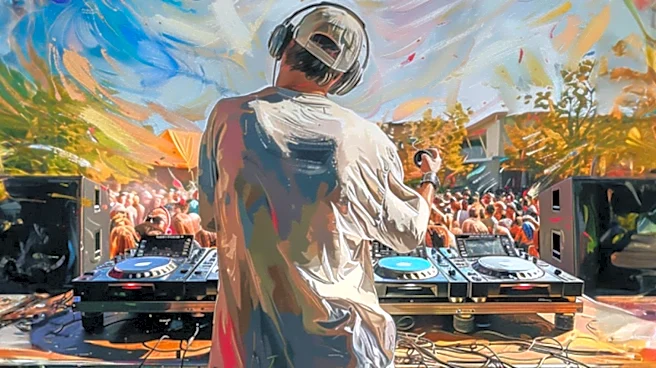
Its strategic location in the city forest and its large capacity have made it a popular destination for various events. From football matches to concerts, the stadium has hosted a wide range of activities that attract diverse audiences.
The presence of Waldstadion has contributed to the city's reputation as a vibrant cultural center. It has provided a venue for residents to come together and celebrate their shared interests, fostering a sense of community and belonging. The stadium's role in hosting major events has also brought international attention to Frankfurt, enhancing its cultural profile on the global stage.
Influence on Local Economy and Tourism
Waldstadion's impact extends beyond sports and entertainment; it has also played a significant role in boosting the local economy and tourism. The influx of visitors for events at the stadium has led to increased business for local hotels, restaurants, and shops. This economic activity has been vital in supporting the city's growth and development.
Tourism in Frankfurt has benefited from the stadium's presence, as it attracts visitors from around the world. The international events hosted at Waldstadion have drawn fans and tourists, providing them with an opportunity to explore the city's rich cultural heritage. This influx of visitors has helped promote Frankfurt as a desirable travel destination.
A Symbol of Frankfurt's Identity
For many residents, Waldstadion is more than just a venue; it is a symbol of Frankfurt's identity. The stadium's history and evolution reflect the city's resilience and adaptability. Despite undergoing several name changes and renovations, it remains a beloved landmark that holds sentimental value for locals.
The stadium's enduring legacy is evident in the way it is affectionately referred to as Waldstadion by many, despite its official name being Deutsche Bank Park. This attachment to the original name highlights the deep connection between the stadium and the community it serves.
In conclusion, Waldstadion's cultural impact on Frankfurt is profound and multifaceted. It has shaped the city's social landscape, contributed to its economic vitality, and become a symbol of its identity. As a cornerstone of Frankfurt's cultural heritage, the stadium continues to play a vital role in the city's ongoing story.