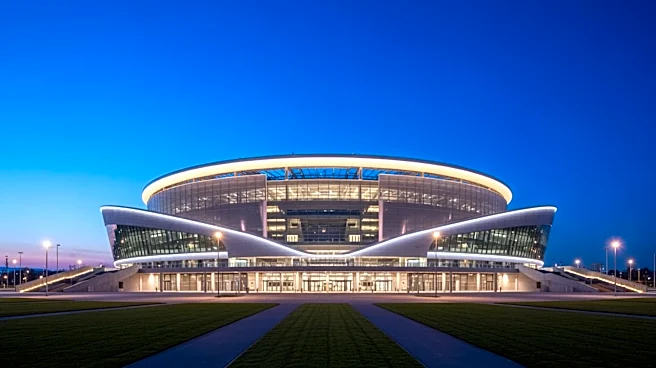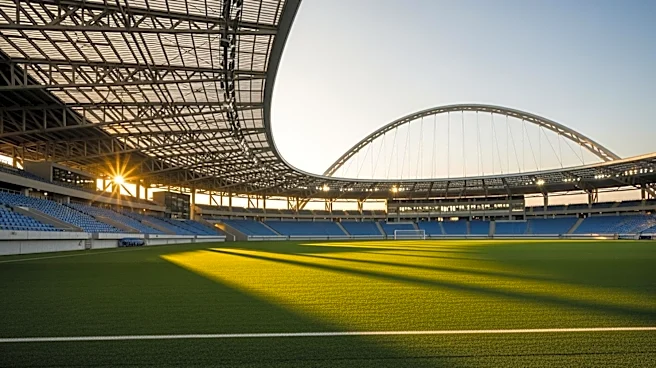







Moses Mabhida Stadium is not just a sports venue; it is a symbol of transformation and progress in Durban, South Africa. Built in 2009 for the 2010 FIFA World Cup, the stadium replaced the Kings Park Soccer Stadium, marking a new era for the city. With a capacity of 55,500, it stands as a monument to the country's commitment to development and international engagement.
Historical Context
The construction of Moses Mabhida Stadium was part of a larger effort to prepare
South Africa for the 2010 FIFA World Cup. This event was a significant milestone for the country, as it was the first time the World Cup was hosted on African soil. The stadium's development was a key component of this initiative, showcasing South Africa's ability to host a global event of such magnitude.
Replacing the Kings Park Soccer Stadium, which was demolished in 2006, Moses Mabhida Stadium was designed to meet international standards. Its construction was a statement of progress, reflecting the country's aspirations to be a leader in sports and infrastructure. The stadium's completion in time for the World Cup was a proud moment for South Africa, highlighting its capacity for large-scale projects.
Cultural Significance
Named after Moses Mabhida, a prominent South African politician and leader of the South African Communist Party, the stadium carries a deep cultural significance. Mabhida's legacy is one of resilience and dedication to the country's progress, and the stadium serves as a tribute to his contributions.
The stadium has become a cultural icon in Durban, attracting visitors from around the world. It is a place where people come together to celebrate sports, music, and cultural events, fostering a sense of community and unity. The stadium's role in hosting diverse events has made it a central part of Durban's cultural landscape.
Economic Impact
The impact of Moses Mabhida Stadium extends beyond its cultural significance. It has played a crucial role in boosting the local economy, creating jobs and opportunities for the community. The influx of tourists and visitors for events has stimulated local businesses, contributing to the city's growth.
The stadium's presence has also encouraged further development in the area, with new infrastructure and facilities being built to accommodate the growing number of visitors. This has had a positive effect on the local economy, providing a sustainable source of income for many residents.
In conclusion, Moses Mabhida Stadium is more than just a sports venue; it is a symbol of transformation and progress. Its historical and cultural significance, combined with its economic impact, makes it a vital part of Durban's identity and a testament to South Africa's potential.