


The astrological sign of Cancer is steeped in mythology and has been a subject of artistic representation for centuries. Known as the crab, Cancer's mythological roots and artistic depictions offer a fascinating glimpse into how this sign has been perceived and celebrated across different cultures and eras.
Mythological Origins
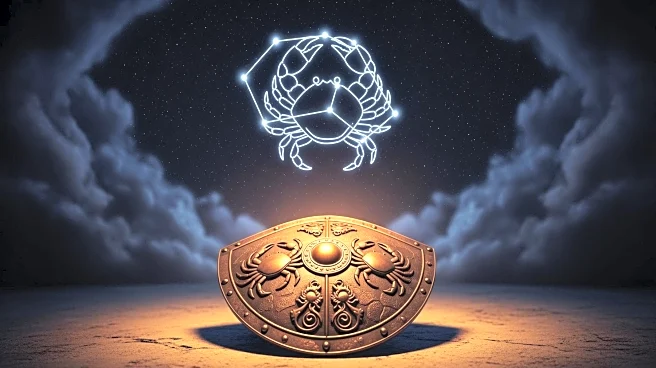
The mythological story of Cancer is tied to the Greek myth of Heracles (Hercules) and his twelve labors. According to the myth, Cancer was a giant
crab sent by the goddess Hera to distract Heracles while he was battling the multi-headed Hydra. Despite its valiant effort, the crab was crushed by Heracles. In recognition of its service, Hera placed the crab in the sky as the constellation Cancer.
This story highlights the themes of loyalty and sacrifice, which are often associated with the Cancer sign. The crab's willingness to aid Hera, despite the odds, reflects the protective and nurturing qualities attributed to Cancerians. The myth also underscores the sign's connection to the Moon, as Hera's actions were driven by her emotions and desire to thwart Heracles.
Artistic Depictions
Throughout history, Cancer has been depicted in various forms of art, often as a crab or similar crustacean. In ancient Egypt, Cancer was represented as a scarab beetle, symbolizing immortality and transformation. In Mesopotamia, it was depicted as a turtle, emphasizing its connection to water and the natural world.
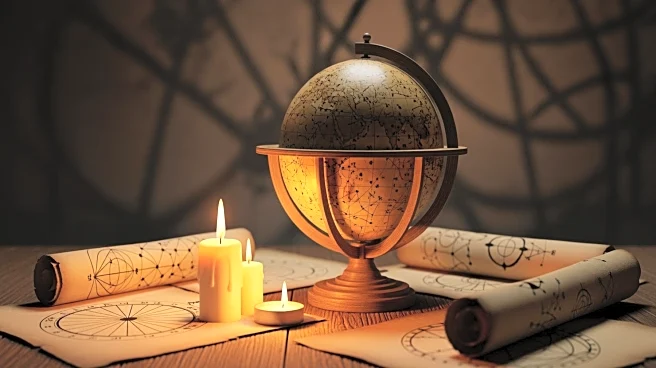
During the Middle Ages, Cancer appeared in devotional books and monumental sculptures, often as part of the zodiac cycle. These depictions were prevalent in Mediterranean and Western European art, where the crab symbolized the cyclical nature of life and the changing seasons. In Renaissance art, Cancer was frequently included in astrological charts and celestial maps, reflecting the era's fascination with astrology and the heavens.
Influence on Literature and Culture
Cancer's influence extends beyond visual art into literature and culture. In Dante Alighieri's "Paradiso," Cancer is referenced as a symbol of light and clarity, illustrating its association with the summer solstice and the longest days of the year. This literary reference highlights the sign's connection to illumination and insight.
The sign of Cancer has also been a subject of interest in astrology, where it is often referred to as "moon children" due to its ruling planet, the Moon. This nickname reflects the sign's deep emotional and intuitive nature, as well as its connection to the cycles of the Moon.
Overall, the mythological and artistic representations of Cancer reveal a rich tapestry of symbolism and meaning. From its origins in Greek mythology to its depictions in art and literature, Cancer continues to captivate and inspire, embodying themes of loyalty, protection, and emotional depth.