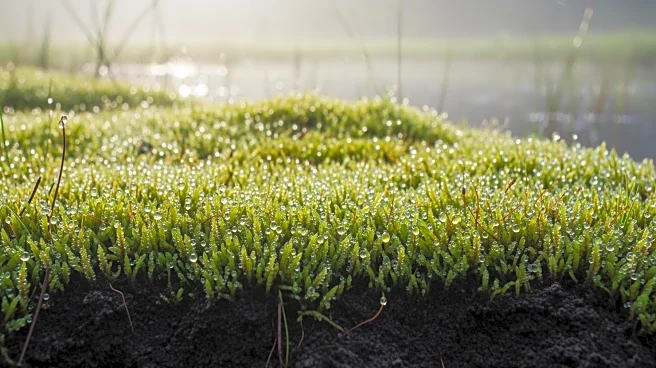

Bogs are unique wetland ecosystems that play a crucial role in maintaining biodiversity and acting as carbon sinks. These peat-accumulating wetlands are home to a variety of plant and animal species, some
of which are rare or endangered. Additionally, bogs contribute significantly to carbon sequestration, helping mitigate climate change. Despite their ecological importance, bogs face threats from human activities, making their protection vital for conservation efforts.
Biodiversity in Bogs
Bogs are recognized as significant habitats by various governmental and conservation agencies due to their unique assemblages of animal, fungal, and plant species. These ecosystems provide a home for mammals such as caribou, moose, and beavers, as well as nesting shorebirds like Siberian cranes and yellowlegs. Vulnerable reptilian species, such as the bog turtle, also inhabit these areas. Insects like the hairy canary fly in English bogs and the bog copper butterfly in North American bogs further highlight the biodiversity found in these wetlands.
The plant life in bogs is equally diverse, with sphagnum moss being a dominant species. This moss, along with ericaceous shrubs, thrives in the acidic and nutrient-poor conditions typical of bogs. Carnivorous plants such as sundews and pitcher plants have adapted to these conditions by deriving nutrients from invertebrates. Orchids, too, have found a way to survive by utilizing mycorrhizal fungi to extract nutrients.
Carbon Sequestration
One of the most critical functions of bogs is their ability to act as carbon sinks. The gradual accumulation of decayed plant material in bogs results in the storage of carbon, preventing its release into the atmosphere. This process is vital in the fight against climate change, as it helps reduce the amount of greenhouse gases. The peatlands of the former Soviet Union, for example, have been calculated to remove significant amounts of carbon from the atmosphere annually.
The preservation of bogs is essential to maintain their role in carbon sequestration. As bogs deteriorate, they release stored carbon, contributing to global warming. Therefore, protecting these ecosystems is not only crucial for biodiversity but also for climate regulation.
Threats and Conservation
Despite their importance, bogs are fragile ecosystems that face numerous threats from human activities. Drainage, peat cutting, and burning have led to rapid drying and deterioration of peatlands across Europe. These activities increase the acidity and oxygen levels in bogs, accelerating the decay of organic material and releasing stored carbon.
Conservation efforts are underway to protect bogs and their ecological functions. In the United Kingdom, bog habitats are prioritized for conservation under the Biodiversity Action Plan. Russia has established a large reserve system in the West Siberian Lowland to safeguard these vital ecosystems. However, more needs to be done globally to ensure the long-term preservation of bogs and their role in maintaining biodiversity and mitigating climate change.