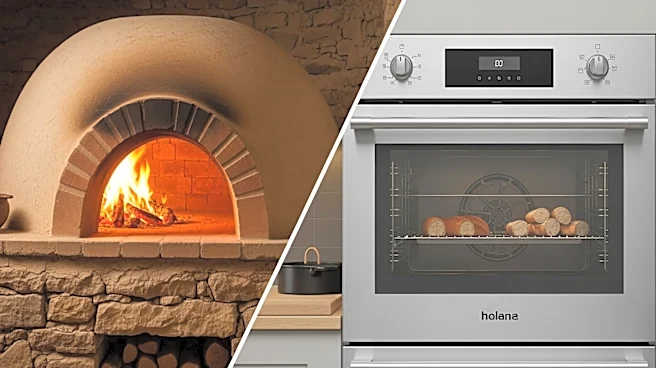








Stoves have been an essential part of human life, evolving significantly over the centuries. From the early days of open fires to the sophisticated appliances we use today, stoves have undergone numerous transformations. This article explores the historical development of stoves, highlighting key innovations and changes in design and functionality.
Early Stove Designs
The journey of stove technology began with open fires, which were used for cooking and heating for nearly
two million years. Early humans constructed primitive hearths during the Paleolithic era, arranging stones in a circle to contain the fire. These open fires were effective but had limitations, such as inefficiency and the risk of smoke inhalation.
As time progressed, the need for more efficient heating and cooking methods led to the development of enclosed stoves. The first wood-burning stove was patented in Strasbourg in 1557, marking a significant advancement. These stoves were high-end consumer items due to the high cost of iron, which was not yet widely available.
Innovations in Stove Technology
The Industrial Revolution brought about significant changes in stove design. The introduction of cast iron and steel made stoves more affordable and accessible. Benjamin Franklin's invention of the Franklin stove in 1742 was a notable milestone. This stove used a grate to burn wood and had sliding doors to control airflow, making it more efficient than traditional fireplaces.
In the 19th century, the development of gas and electric stoves further revolutionized cooking. Gas stoves, first introduced in the early 1800s, offered better temperature control and required less maintenance than wood or coal stoves. Electric stoves, which became popular in the early 20th century, provided a cleaner and more convenient cooking option.
Modern Stove Innovations
Today, stoves continue to evolve with advancements in technology. Induction stoves, which use electromagnetic fields to heat cookware directly, offer precise temperature control and energy efficiency. Pellet stoves, which burn compressed wood or biomass pellets, are another modern innovation, providing a clean-burning and renewable energy source.
Efforts to improve stove design focus on reducing emissions and increasing efficiency. Airtight stoves, for example, are designed to burn fuel more completely, minimizing pollution. Research and development in stove technology aim to create safer and more environmentally friendly options for heating and cooking.
The evolution of stoves reflects humanity's ongoing quest for better and more efficient ways to meet basic needs. As technology continues to advance, stoves will likely become even more sophisticated, offering new features and capabilities to enhance our daily lives.