
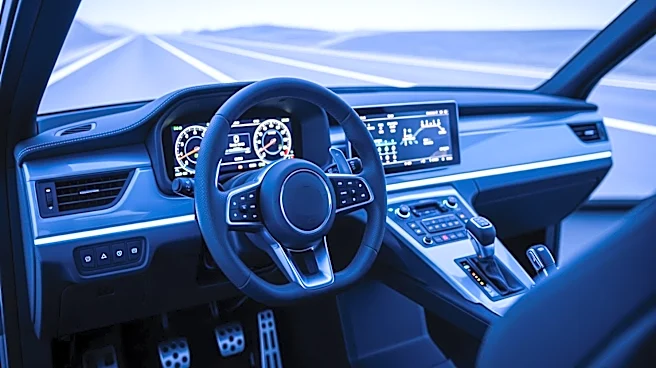

Electronic Stability Control (ESC) is a sophisticated technology designed to enhance vehicle stability and prevent skidding. This article provides an in-depth look at how ESC systems operate, focusing on their components and the mechanisms that enable them to keep vehicles on track.
Core Components
At the heart of an ESC system is the electronic control unit (ECU), which integrates various sensors and control techniques. The ECU is responsible for processing input
signals from the steering wheel angle, wheel speed, and yaw rate sensors. These sensors provide real-time data on the vehicle's intended direction and actual movement.
The steering wheel angle sensor determines where the driver wants to steer, while the yaw rate sensor measures the vehicle's rotation rate. The lateral acceleration sensor, often referred to as an accelerometer, gauges the vehicle's lateral acceleration. Together, these sensors allow the ESC system to assess the vehicle's stability and make necessary adjustments.
Operation and Intervention
ESC systems continuously monitor steering and vehicle direction during normal driving. They compare the driver's intended direction with the vehicle's actual direction, intervening only when a probable loss of steering control is detected. This can occur during emergency evasive maneuvers, understeer or oversteer in turns, or hydroplaning.
When ESC detects a skid, it applies brakes to individual wheels asymmetrically, creating torque about the vehicle's vertical axis to counteract the skid. Additionally, the system may reduce engine power or adjust the transmission to slow the vehicle down. ESC can function on various surfaces, from dry pavement to icy roads, reacting faster than a human driver to correct skidding.
Enhancing Safety
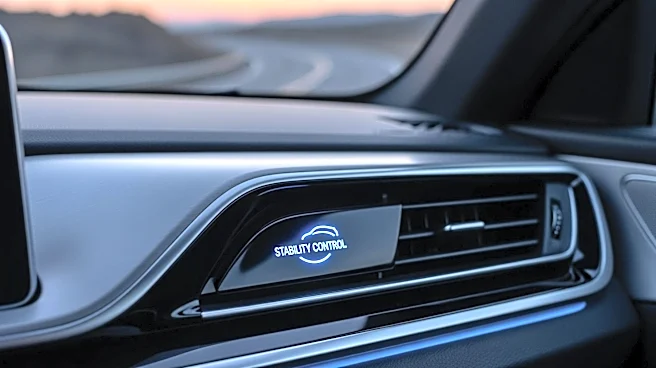
ESC systems are designed to assist drivers in recovering from dangerous situations, not to enhance performance or replace safe driving practices. They work within the limits of the vehicle's handling and available traction, alerting drivers when intervention occurs. Most systems activate a dashboard indicator light or alert tone to inform the driver that the vehicle's handling limits have been reached.
While ESC does not increase traction or enable faster cornering, it facilitates better-controlled cornering by working within the vehicle's grip limits. Some vehicles offer an override control to partially or fully deactivate ESC, allowing drivers to utilize the limits of their vehicle's grip with less electronic intervention. However, ESC reactivates when the ignition is restarted, ensuring safety remains a priority.