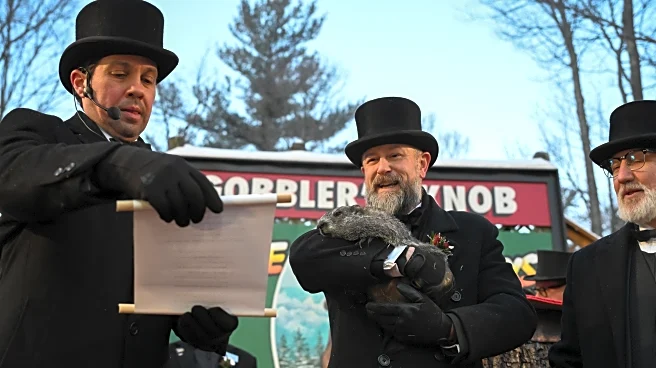

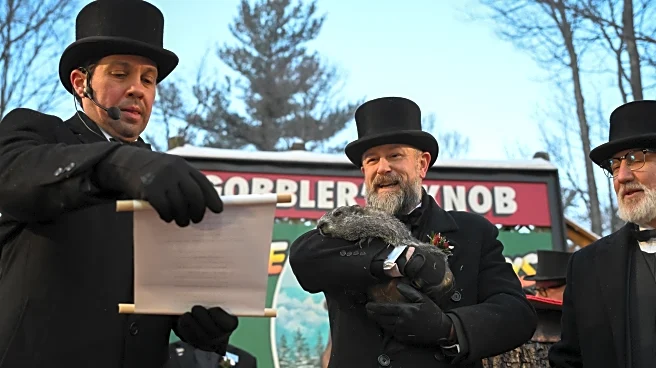
Groundhog Day is a story that has captivated audiences since its debut as a film in 1993. Directed by Harold Ramis and starring Bill Murray, the film tells the tale of Phil Connors, a Pittsburgh weatherman trapped in a time loop. This concept of reliving the same day over and over again resonated with viewers, leading to its adaptation into a musical in 2016. The transformation from screen to stage brought new dimensions to the story, showcasing the versatility
and enduring appeal of Groundhog Day.
From Screen to Stage
The journey of Groundhog Day from film to musical began with the collaboration between Tim Minchin and Danny Rubin. Rubin, who co-wrote the original screenplay with Ramis, had long envisioned a musical adaptation. The film's success and its cultural impact made it a prime candidate for such a transformation. Minchin, known for his work on Matilda the Musical, was brought on board to compose the music and lyrics, while Rubin adapted the screenplay into a stage book.
The musical premiered at The Old Vic in London in 2016, marking a significant milestone in its evolution. The adaptation retained the core narrative of Phil Connors' journey but expanded on the themes of redemption and self-discovery. The stage version allowed for a deeper exploration of characters and relationships, adding layers to the story that were not as prominent in the film.
Critical Acclaim and Awards
Groundhog Day the musical received critical acclaim upon its debut, praised for its innovative approach and engaging performances. Andy Karl, who played Phil Connors, was lauded for his portrayal, earning the Laurence Olivier Award for Best Actor in a Musical. The production itself won the award for Best New Musical, solidifying its place in the theatrical world.
The musical's success continued with its Broadway run in 2017, where it was nominated for seven Tony Awards. Although it did not win, the nominations highlighted the musical's impact and the strength of its adaptation. The combination of Minchin's music and Rubin's storytelling created a unique theatrical experience that resonated with audiences.
Revival and Continued Impact
The story of Groundhog Day did not end with its initial runs. In 2023, the musical was revived at The Old Vic, once again starring Andy Karl. This revival demonstrated the lasting appeal of the story and its ability to draw audiences back to the theater. The production was simplified, removing the revolving stage, but retained the essence of the original adaptation.
Groundhog Day's journey from film to musical and its continued success in revivals and international productions underscore its cultural significance. The story's themes of personal growth and redemption remain relevant, allowing it to connect with new generations of audiences. As Groundhog Day continues to evolve, it stands as a testament to the power of storytelling and its ability to transcend mediums.