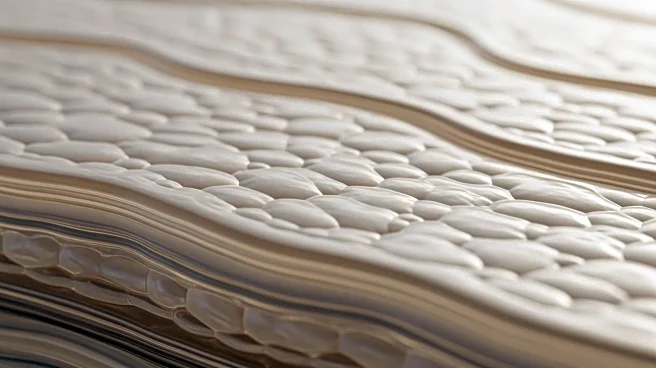




Ceramides are essential components of the skin's outermost layer, the stratum corneum, where they play a critical role in maintaining skin health. These lipid molecules, along with cholesterol and free fatty acids, form a water-impermeable barrier that prevents moisture loss and protects against microbial invasion. The unique properties of ceramides make them vital for skin integrity and function.
Structural Diversity of Epidermal Ceramides
The stratum corneum is composed of terminally differentiated
corneocytes embedded in a lipid matrix, often described as "bricks and mortar." Ceramides form the lipid mortar, contributing to the barrier's effectiveness. The epidermal lipid matrix is typically an equimolar mixture of ceramides, cholesterol, and free fatty acids, with ceramides making up about 50% by weight.
Epidermal ceramides exhibit a diversity of structures, which can be broadly classified into several types, including AS and NS ceramides, ADS and NDS dihydroceramides, and various acylceramides. This structural diversity is crucial for the unique attributes of the stratum corneum across different body sites. For instance, the stratum corneum of the face is thin and flexible, accommodating facial expressions, while the heel's stratum corneum is thick and rigid, providing protection against trauma.
Ceramides and Skin Diseases
Alterations in ceramide expression are associated with various skin diseases, such as psoriasis and atopic dermatitis. In psoriasis, there is an increase in certain ceramides and a decrease in others, which may contribute to defects in the skin's water barrier. These changes in ceramide composition can affect the skin's ability to retain moisture and protect against external irritants.
Research has shown that rather than focusing solely on ceramide classes, the length of ceramide sphingoid bases and fatty acid chains significantly influences their expression in inflamed skin. Environmental factors, such as dry air and UV exposure, can also reduce ceramide levels in the skin, hair, and nails, impacting overall skin health.
Therapeutic Uses of Ceramides
Given their importance in skin health, ceramides are used in various topical skin medications to complement treatments for conditions like eczema. They are also common ingredients in cosmetic products, including soaps, shampoos, skin creams, and sunscreens. These products aim to replenish ceramide levels, restoring the skin's barrier function and improving hydration.
The therapeutic potential of ceramides extends beyond skin care. Their ability to influence cellular processes and signaling pathways makes them a promising target for research in other areas, such as cancer treatment. As understanding of ceramide functions continues to grow, their applications in medicine and cosmetics are likely to expand, offering new solutions for skin health and disease management.