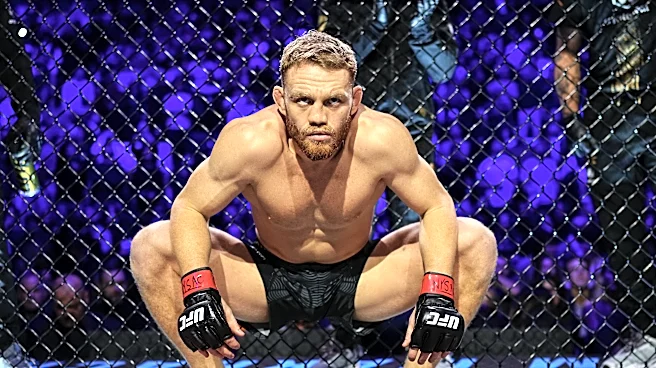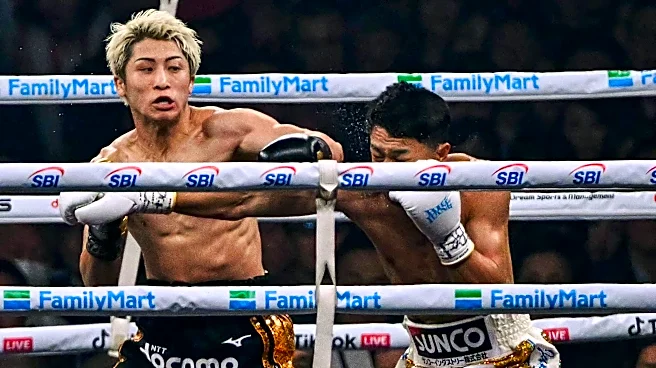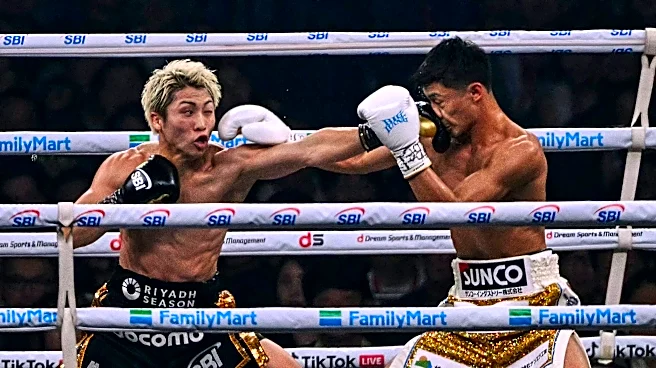

Shadowboxing is a time-honored exercise in the world of combat sports, with a rich history that traces back to the early days of boxing. This practice involves throwing punches at the air, simulating a fight
without an opponent. Over the years, shadowboxing has evolved and been embraced by various martial arts disciplines, becoming an integral part of training routines worldwide.
Origins and Development
The origins of shadowboxing can be traced back to the early days of boxing. It is widely believed that Black Nova Scotian boxer George Dixon was instrumental in developing the technique. Dixon's contributions to the sport helped establish shadowboxing as a fundamental exercise for fighters, allowing them to prepare their muscles and refine their techniques before engaging in more strenuous activities.
Shadowboxing gained further prominence when legendary boxer Muhammad Ali performed a famous routine next to Howard Cosell for ABC's Wide World of Sports television cameras. This iconic moment showcased the elegance and skill involved in shadowboxing, capturing the attention of audiences and solidifying its place in the world of boxing.
Evolution Across Martial Arts
While shadowboxing is most closely associated with boxing, its influence extends to various martial arts disciplines. Fighters from striking-based martial arts, such as Muay Thai and kickboxing, have adopted shadowboxing as a key component of their training routines. The exercise allows them to practice their movements, refine their techniques, and maintain their rhythm without the need for a physical opponent.
Even practitioners of grappling-based martial arts, like freestyle wrestling, incorporate shadowboxing-like drills into their training. These drills simulate specific moves without a partner, helping athletes develop their skills and improve their performance in competition.
Cultural and Symbolic Impact
Shadowboxing has transcended its practical applications to become a symbol of discipline and dedication in the world of combat sports. The exercise represents the solitary struggle of a fighter, honing their skills and preparing for battle. It is a testament to the mental and physical fortitude required to succeed in the demanding world of martial arts.
The practice of shadowboxing has also found its way into popular culture, with references in films, music, and other media. This widespread recognition highlights the enduring appeal and significance of shadowboxing as both a training tool and a cultural phenomenon.
In conclusion, shadowboxing is a storied exercise with deep historical roots and a lasting impact on the world of combat sports. Its evolution across various martial arts disciplines and its cultural significance make it an enduring symbol of the fighter's journey.