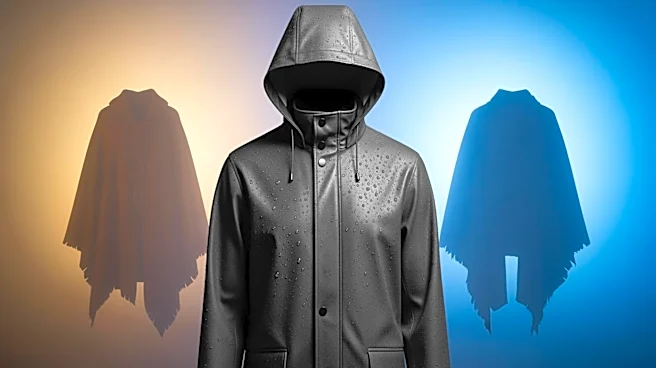






Raincoats have been an essential part of human attire for centuries, designed to protect wearers from the elements. From ancient times to the present day, the materials and designs of raincoats have evolved significantly. This article explores the journey of raincoats, highlighting key developments and innovations that have shaped their history.
Ancient and Indigenous Rainwear
The history of rainwear dates back to ancient times when various cultures developed their own methods to stay
dry. In East Asia, for example, raincoats were crafted from naturally water-repellent plant fibers like rice straw. These garments, often paired with straw hats, were common among farmers and fishermen. The rain would run along the fibers, keeping the wearer dry. Similarly, indigenous peoples of the Northwest Pacific Coast used woven cedar fiber to create raincoats, which could be dense and watertight or soft and comfortable, depending on the weave.
In the Arctic, the Inuit and Aleuts crafted waterproof clothing from the skins of seals, sea otters, and birds. These garments provided excellent protection from rain and were essential for survival in harsh climates. The use of birdskin shirts, with feathers on the outside, was particularly effective in repelling moisture.
The Birth of Modern Raincoats
The modern raincoat began to take shape in the 19th century with the invention of waterproof fabrics. Scottish chemist Charles Macintosh patented a new tarpaulin fabric in 1824, which led to the creation of the Mackintosh raincoat. This coat was made by sandwiching rubber between two pieces of fabric, making it impermeable to water. Despite initial issues with odor and stiffness, the Mackintosh raincoat set the stage for future innovations.
In the 20th century, raincoat materials continued to evolve. The introduction of Gore-Tex and other breathable, waterproof fabrics revolutionized rainwear. These materials allowed water vapor to escape while keeping rain out, providing comfort and protection. The development of DWR-coated nylon further enhanced the functionality of raincoats, making them lighter and more versatile.
Raincoats in Modern Fashion
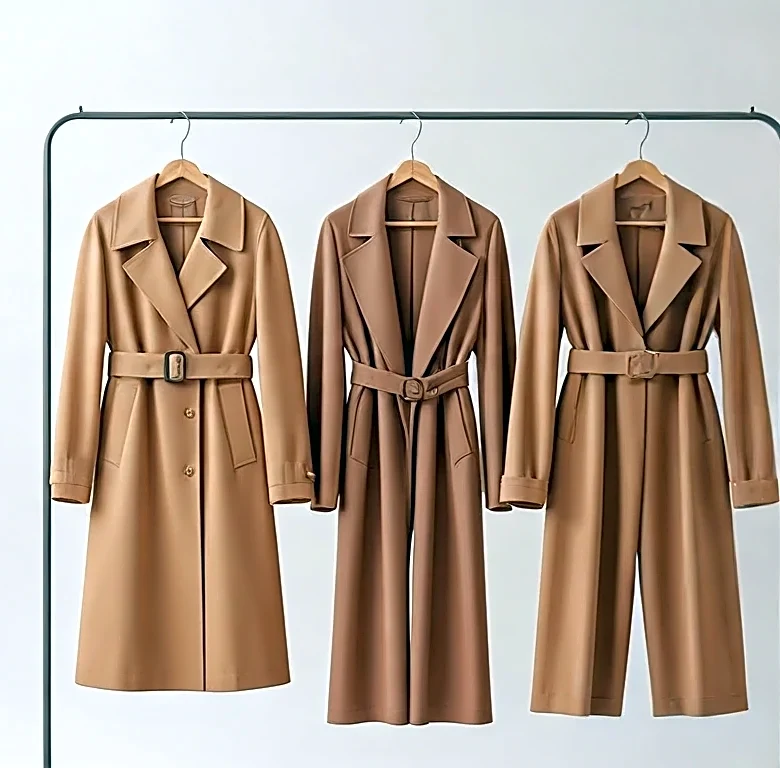
Today, raincoats are not only functional but also fashionable. Brands like Mackintosh have become synonymous with quality rainwear, offering stylish options for various occasions. The versatility of modern raincoats allows them to be worn in both urban and outdoor settings, catering to diverse needs and preferences.
The evolution of raincoats reflects the ongoing quest for better protection against the elements. From ancient plant fibers to cutting-edge synthetic materials, raincoats have come a long way, adapting to the changing demands of society while maintaining their core purpose of keeping us dry.