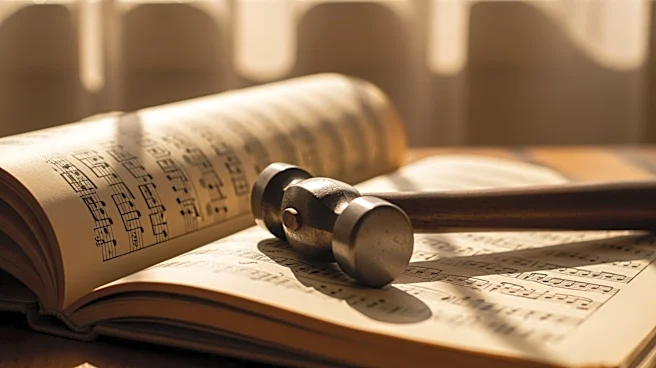








"If I Had a Hammer," also known as "The Hammer Song," is a protest song that has traveled a remarkable path since its creation in 1949. Written by Pete Seeger and Lee Hays, the song was initially recorded by the Weavers, a folk music quartet. Over the years, it has been interpreted by various artists, each bringing their unique style to the song, and it has become a staple in the American folk music repertoire.
Origins and Early Performances
The song was first publicly performed
by Pete Seeger and Lee Hays in 1949 at a dinner in support of members of the Communist Party of the United States. The Weavers released it as "The Hammer Song" in 1950, but due to the political climate and the Red Scare, it did not gain widespread attention outside activist circles. The song's association with the Progressive movement and its themes of justice and equality made it a powerful piece, but its reach was initially limited.
Despite its slow start, the song's sheet music was featured on the cover of Sing Out! magazine, helping to keep it alive within folk music circles. The Weavers' version laid the groundwork for future interpretations, preserving the song's core message while allowing for artistic evolution.
Hit Versions and Popularization
The song's commercial breakthrough came in 1962 when Peter, Paul and Mary recorded it for their debut album. Their version became a top 10 hit, earning Grammy Awards and reaching number 17 in Canada. The trio's harmonious vocals and folk style resonated with audiences, bringing the song to the forefront of the folk music revival.
In 1963, Trini Lopez released his version, which reached number three on the US Billboard Hot 100. Lopez's lively rendition introduced the song to a broader audience, showcasing its adaptability across different musical genres. His version was included on the album "Trini Lopez at PJ's," further solidifying the song's place in popular music.
Cultural Impact and Legacy
The success of "If I Had a Hammer" in the 1960s helped to spark the hippie movement and influenced American youth who were protesting against the culture of the time. The song's message of unity and change resonated deeply, making it a symbol of the era's social movements.
Today, "If I Had a Hammer" continues to be a powerful anthem for justice and equality. Its journey from a niche protest song to a mainstream hit highlights the transformative power of music. The song's legacy is a testament to the enduring appeal of folk music and its ability to inspire change across generations.