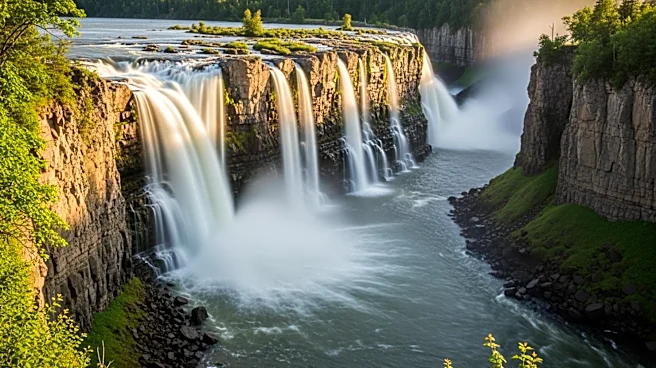

Niagara Falls, Ontario, is a city steeped in history, with its development closely tied to the iconic waterfalls it shares its name with. Located on the western bank of the Niagara River, this city has
evolved from a settlement of Indigenous peoples to a bustling tourist destination. The history of Niagara Falls, Ontario, is marked by significant events and transformations that have shaped its identity and economy.
Early Settlement and European Contact
Before European settlers arrived, the area now known as Niagara Falls, Ontario, was inhabited by the Neutral people, an Iroquoian-speaking group. However, their population was severely reduced following attacks by the Haudenosaunee and Seneca peoples. The first European to visit the area was Louis Hennepin, a French priest and missionary, in the 1670s. European settlement began in earnest in the late 17th century, with French colonists establishing themselves in Lower Canada.
The area was initially referred to as Township Number 2 after surveys were completed in 1782. Early settlers included Philip George Bender and Thomas McMicken, who arrived during and after the American Revolutionary War. The British Crown granted land to Loyalists, helping them resettle in Upper Canada. This influx of settlers laid the foundation for the city's growth.
Growth and Incorporation
In 1791, the town was renamed Stamford, and during the War of 1812, the Battle of Lundy's Lane took place nearby. The Town of Clifton was incorporated in 1856, and its name was changed to Niagara Falls in 1881. The community of Drummondville was incorporated as the village of Niagara Falls South in 1882. By 1904, the town and village amalgamated to form the City of Niagara Falls.
The city continued to expand, incorporating surrounding areas such as Stamford Township in 1963. The formation of the Niagara regional government in 1970 led to further annexations, including Chippawa and Willoughby Township.
Modern Developments and Tourism
Tourism has been a major part of Niagara Falls, Ontario's economy since the early 19th century. The city marketed itself as a honeymoon destination, attracting visitors from around the world. The development of hydroelectric power from the waterfalls also drew industries to the area, although many left during economic recessions in the 1970s and 80s.
Today, Niagara Falls, Ontario, is a vibrant city with a skyline of high-rise hotels and observation towers overlooking the waterfalls. Its economy is heavily reliant on tourism, with attractions such as casinos, museums, and amusement parks drawing millions of visitors each year. The city's rich history and natural beauty continue to make it a popular destination for travelers.