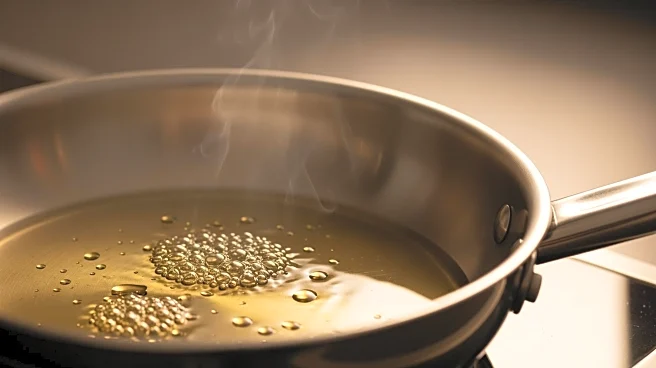




Frying is a popular cooking method that involves cooking food in oil or fat. While it may seem straightforward, frying is a complex process that involves various scientific principles and techniques. This article delves into the chemical changes that occur during frying and the different methods used to achieve the perfect fried dish.
Chemical Changes in Frying
Frying is not just about cooking food; it involves a series of chemical changes that transform the food's texture and
flavor. One of the primary changes is protein denaturation, where the heat causes proteins in the food to unfold and coagulate, altering the texture. Starch gelatinization is another critical change, where the starches absorb water and swell, contributing to the food's crispiness.
Surface browning is a hallmark of fried foods, resulting from the Maillard reaction, where sugars and amino acids react under heat to produce a brown color and complex flavors. Rapid water evaporation is also crucial, as it helps create a crispy exterior by removing moisture from the food's surface. Lastly, oil absorption occurs, adding richness and flavor to the dish.
Frying Techniques
There are several frying techniques, each with its unique characteristics and applications. Pan frying involves cooking food in a thin layer of fat, typically turning the food over once or twice to ensure even cooking. This method is ideal for foods that require a crispy exterior and a moist interior.
Deep frying, on the other hand, involves submerging food entirely in hot oil. This technique is known for producing uniformly crispy and golden-brown foods, such as French fries and doughnuts. Deep frying is a more involved process, often requiring specialized equipment and oils to achieve optimal results.
The Role of Fat in Frying
Fats play a crucial role in frying, as they can reach higher temperatures than water, allowing for rapid cooking and browning. The choice of fat can significantly impact the flavor and texture of the fried food. Neutral oils like vegetable oil are commonly used for their high smoke points and mild flavor, while butter and olive oil are preferred for their rich taste.
The heat absorption properties of fats also contribute to the frying process, ensuring that the food cooks quickly and evenly. Additionally, fats can penetrate the food to varying degrees, adding richness and calories. Understanding the role of fat in frying is essential for achieving the desired results in fried dishes.