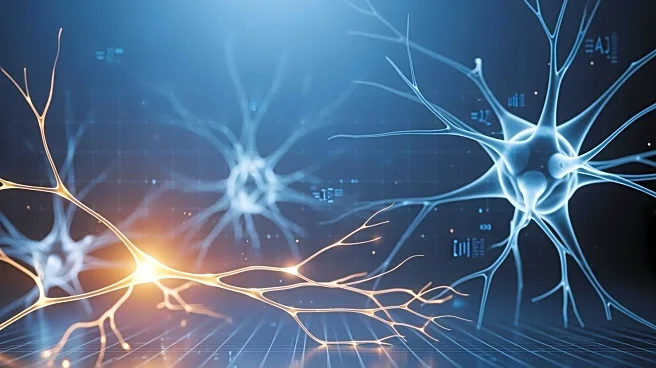




Biofeedback is a fascinating technique that allows individuals to gain greater awareness and control over their physiological functions. By using electronic instruments, people can learn to regulate processes such as brainwaves, heart rate, and muscle activity. This method is not only about understanding one's body but also about improving health and performance. Biofeedback has been applied in various fields, from treating headaches and migraines
to enhancing athletic performance. This article delves into the concept of biofeedback, its applications, and how it helps in self-regulation.
The Concept of Biofeedback
Biofeedback is essentially a process that enables individuals to learn how to change physiological activity for health improvement. It involves precise instruments that measure physiological activities like brainwaves, heart function, and muscle activity. These instruments provide real-time feedback to the user, allowing them to make conscious changes to their physiological state. Over time, these changes can become enduring, even without the continued use of instruments.
The process of biofeedback is based on the principle that many physiological functions occur at a level of awareness generally called the "unconscious." By interfacing with these unconscious processes, biofeedback helps individuals bring them into conscious awareness. This awareness is crucial for making intentional changes that can lead to improved health and performance.
Applications of Biofeedback
Biofeedback has a wide range of applications, particularly in the field of health and wellness. It has been used to treat conditions such as headaches, migraines, and ADHD. For instance, meta-analyses have shown some benefits of biofeedback in treating these conditions, although comparisons with alternative treatments are often lacking.
In addition to health-related applications, biofeedback is also used in sports and performance enhancement. Athletes use biofeedback to improve their focus, reduce anxiety, and enhance overall performance. By gaining control over physiological responses, athletes can achieve a state of "flow," where they perform at their best.
The Role of Technology in Biofeedback
Technological advancements have played a significant role in the development and application of biofeedback. Modern biofeedback devices are more precise and user-friendly, making it easier for individuals to monitor and control their physiological functions. These devices range from simple thermometers that measure skin temperature to complex electroencephalographs that monitor brain activity.
The use of technology in biofeedback has also expanded its accessibility. With the advent of wearable devices and mobile apps, individuals can now practice biofeedback in the comfort of their homes. This accessibility has made biofeedback a popular choice for those seeking to improve their health and well-being through self-regulation.
In conclusion, biofeedback is a powerful tool for self-regulation and health improvement. By providing real-time feedback on physiological functions, it empowers individuals to make conscious changes that can lead to lasting health benefits. As technology continues to advance, the potential applications of biofeedback are likely to expand, offering even more opportunities for individuals to take control of their health.