



Power steering has revolutionized the driving experience by reducing the effort required to turn a vehicle's steering wheel. This article explores the historical development of power steering systems, highlighting key technological advancements from hydraulic systems to modern electric systems. Understanding this evolution provides insight into how power steering has become an essential feature in today's vehicles.
The Beginnings of Power Steering
The concept of power steering dates
back to the late 19th century, with the first known system installed in 1876. However, it wasn't until the early 20th century that power steering began to gain traction. In 1903, a Columbia 5-ton truck featured an electric motor to assist in steering, marking a significant milestone in the development of power steering technology.
Francis W. Davis, an engineer at Pierce-Arrow, played a pivotal role in advancing power steering systems. In 1926, Davis invented and demonstrated the first practical hydraulic-assisted power steering system. Despite its potential, the system was initially deemed too expensive for mass production by General Motors. However, military needs during World War II accelerated the adoption of power steering in heavy vehicles, paving the way for its commercial availability.
Hydraulic Power Steering Systems
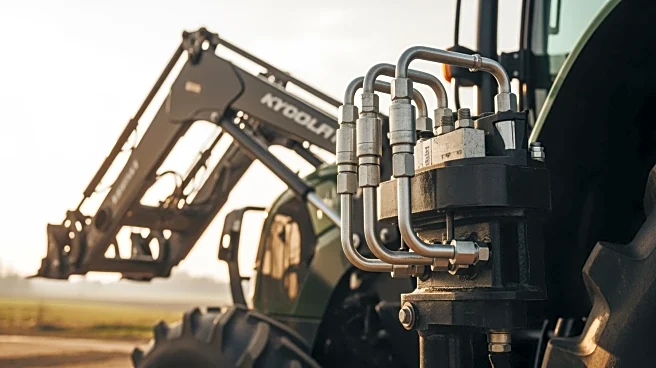
Hydraulic power steering systems became commercially available in the early 1950s, with Chrysler Corporation introducing the first system in the 1951 Chrysler Imperial. These systems use a hydraulic cylinder to augment steering effort, allowing drivers to maneuver vehicles with less physical exertion.
Hydraulic systems rely on a pump driven by the vehicle's engine to provide the necessary pressure. This pressure is transmitted through a fluid, typically similar to automatic transmission fluid, to assist in steering. While effective, hydraulic systems have limitations, such as increased fuel consumption due to the constant operation of the pump.
Transition to Electric Power Steering
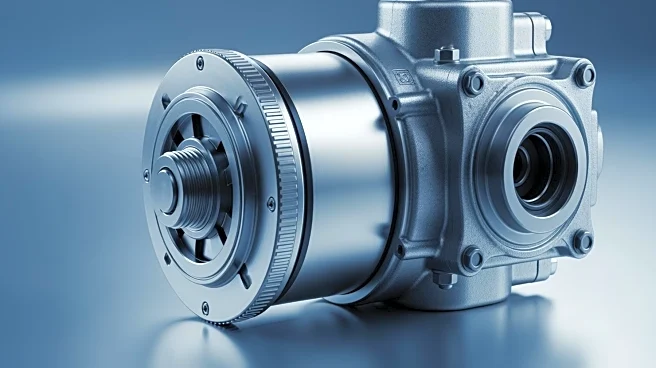
The transition from hydraulic to electric power steering systems marked a significant technological advancement. Electric power steering (EPS) systems use electric motors to provide steering assistance, eliminating the need for a hydraulic pump. This innovation offers several advantages, including improved fuel efficiency and reduced environmental impact.
EPS systems are controlled by electronic control units (ECUs) that adjust the level of assistance based on driving conditions. This allows for more precise steering control and the integration of advanced driver assistance features, such as lane assist and wind drift correction. The introduction of EPS systems has transformed the driving experience, making steering more responsive and adaptable.
The evolution of power steering systems from hydraulic to electric represents a significant leap in automotive technology. As vehicles continue to advance, power steering systems will likely evolve further, enhancing safety and driving comfort.