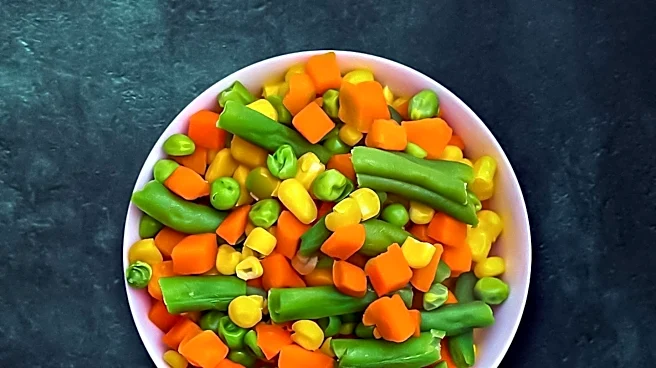







Blanching is a cooking technique that involves briefly boiling food and then rapidly cooling it. This method is commonly used for vegetables and fruits to preserve their color, flavor, and nutritional value. By understanding the process and benefits of blanching, home cooks and food industry professionals can enhance the quality and longevity of their produce.
The Blanching Process
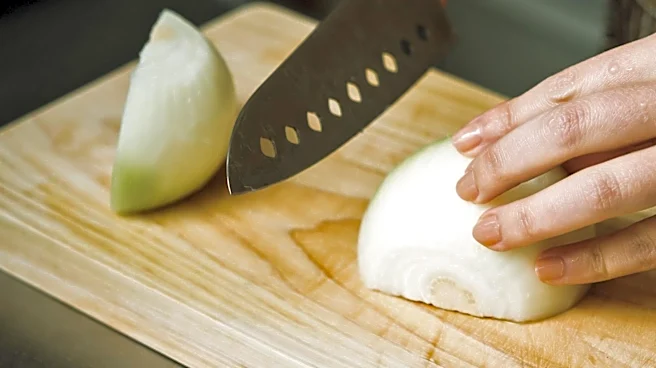
Blanching involves three main stages: preheating, blanching, and cooling. The process begins with preheating, where the food is prepared for the blanching stage. This involves cleaning and cutting the produce to ensure even cooking. Once prepped, the food is submerged in boiling water for a brief, timed interval. This step partially cooks the food, making it more manageable for further processing.After the boiling stage, the food is quickly transferred to an ice bath or placed under cold
running water. This rapid cooling, known as shocking or refreshing, halts the cooking process. The sudden temperature change helps maintain the food's texture and color, preventing it from becoming overcooked or mushy.
Benefits of Blanching
Blanching offers several benefits that make it a valuable technique in both home kitchens and the food industry. One of the primary advantages is enzyme deactivation. Enzymes in fruits and vegetables can cause browning, textural changes, and off-flavors over time. By deactivating these enzymes, blanching helps preserve the food's quality during storage.Additionally, blanching expels air trapped within plant tissues, which is crucial before canning. This step reduces the risk of faulty seams in cans and improves the texture and color retention of the food. Blanching also aids in peeling fruits, vegetables, and nuts, making it easier to remove skins without damaging the underlying flesh.
Applications and Considerations
Blanching is widely used as a pre-treatment before freezing, dehydrating, or canning. It is also employed to remove pesticide residues and decrease microbial load, enhancing food safety. However, there are some considerations to keep in mind. Blanching can lead to the leaching of water-soluble and heat-sensitive nutrients, which may affect the food's nutritional value.To minimize nutrient loss, it is essential to follow recommended blanching times and temperatures based on the type of food. Over-blanching can result in excessive nutrient loss and softening of the food, while under-blanching may not effectively inactivate all enzymes. By carefully managing the blanching process, cooks can maximize the benefits while minimizing potential drawbacks.