
Saltwater aquariums have become a popular hobby for many enthusiasts in the United States. These aquariums, which house marine fish and other sea life, offer a glimpse into the vibrant and diverse ecosystems
of the ocean. However, maintaining a saltwater aquarium is not without its challenges. From ensuring the right water conditions to sourcing healthy fish, aquarists must be diligent in their efforts to create a thriving marine environment.
The Appeal of Saltwater Aquariums
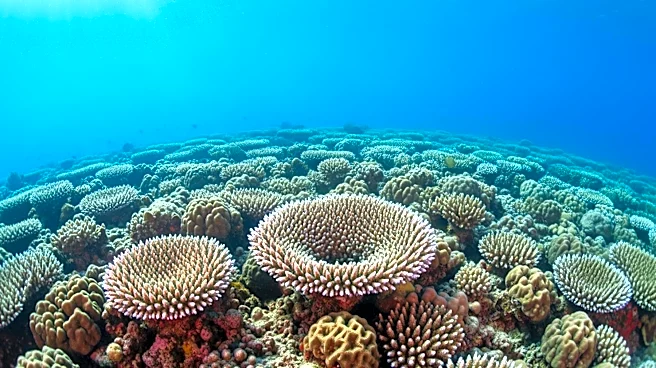
Saltwater aquariums are a multi-million dollar industry in the United States, with about 10 million marine fish imported each year for aquarium use. The allure of these aquariums lies in their ability to showcase the beauty and diversity of marine life. With approximately 2,000 different species of saltwater fish available, aquarists can create stunning displays that mimic the natural habitats of these creatures. The vibrant colors and unique behaviors of marine fish make them a captivating addition to any home or business.In addition to their aesthetic appeal, saltwater aquariums offer educational opportunities. They provide a window into the complex ecosystems of the ocean, allowing people to learn about marine biology and the importance of conservation. Public aquariums often use saltwater tanks to educate visitors about the threats facing marine life and the steps that can be taken to protect these vital ecosystems.
Challenges in Maintaining Saltwater Aquariums
Despite their popularity, saltwater aquariums require careful maintenance to ensure the health and well-being of their inhabitants. One of the primary challenges is maintaining the correct water parameters. Saltwater fish are sensitive to changes in temperature, pH, and salinity, and even minor fluctuations can be harmful. Aquarists must regularly test and adjust the water conditions to keep them within the optimal range for their specific fish species.Another challenge is sourcing healthy fish. Many marine fish are collected from the wild using harmful methods, such as cyanide fishing, which can damage coral reefs and harm the fish. To combat this, some aquarists choose to purchase captive-bred fish, which are known to be healthier and more likely to live longer. Captive-bred fish are also less susceptible to disease, as they have not been exposed to the stresses of the wild or the shipping process.
The Role of Captive Breeding in Conservation
Captive breeding plays a crucial role in the conservation of marine life. By breeding fish in captivity, aquarists can reduce the demand for wild-caught fish, helping to protect coral reefs and other marine habitats. Captive-bred fish are already accustomed to aquarium conditions, making them easier to care for and more likely to thrive in a home environment.In addition to benefiting the aquarium trade, captive breeding can also support conservation efforts. By maintaining healthy populations of marine fish in captivity, researchers can study their behavior and biology, gaining valuable insights that can inform conservation strategies. This knowledge can be used to develop more effective methods for protecting marine ecosystems and ensuring the survival of threatened species.