




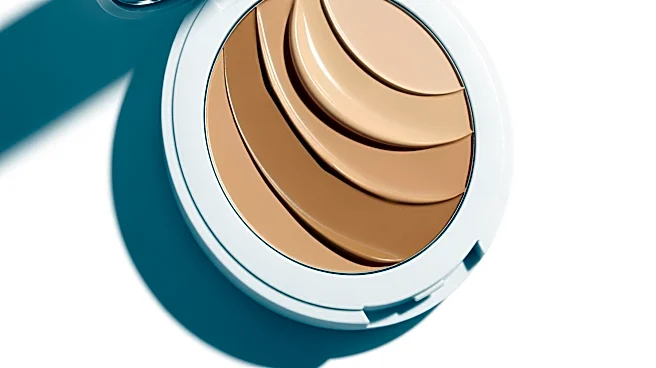
Face powder has been a pivotal element in defining beauty standards throughout history. Its use has varied across cultures and eras, reflecting societal ideals of beauty and status. This article explores how face powder has shaped and been shaped by beauty standards from ancient civilizations to modern times.
Ancient and Medieval Beauty Ideals
In ancient Egypt, face powder was integral to the beauty rituals of both men and women. The use of lead-based powders and colored pigments was influenced
by figures like Cleopatra, who set the standard for beauty with her distinctive makeup style. The desire for eternal beauty in the afterlife further cemented the importance of face powder in Egyptian culture.
During the Middle Ages, a pale complexion became synonymous with high status and beauty in Europe. Women used harmful ingredients like lead and lye to achieve the desired whitened skin, despite the health risks. This trend continued into the Renaissance, where figures like Queen Elizabeth I used face powder to conceal imperfections and maintain a flawless appearance. The use of face powder during this period was not only a beauty practice but also a reflection of social hierarchy and privilege.
The 20th Century and Hollywood Influence
The 20th century marked a significant shift in beauty standards, with Hollywood playing a crucial role in popularizing face powder. The 1920s saw the rise of movie stars and socialites who embraced the powdered look, making it a symbol of glamour and sophistication. This era also witnessed the emergence of numerous cosmetic brands, expanding the accessibility and variety of face powders.
As beauty standards evolved, face powder became a tool for enhancing natural features and achieving a polished look. The introduction of diverse shades and formulations catered to a broader range of skin tones, reflecting changing societal attitudes towards beauty and inclusivity. The influence of Hollywood and the media further solidified face powder's role in shaping modern beauty ideals.
Contemporary Trends and Innovations
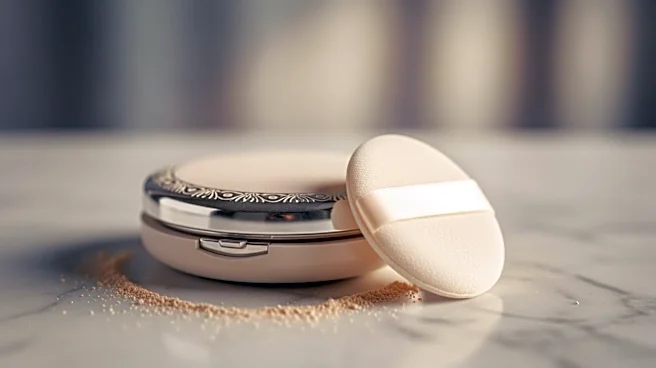
In contemporary society, face powder continues to be a staple in beauty routines, with innovations in formulations and application techniques. The trend of "baking," popularized by beauty icons like Kim Kardashian West, highlights the ongoing evolution of face powder in achieving a flawless complexion. Modern face powders are designed to set makeup, reduce shine, and enhance natural skin tones, catering to diverse beauty preferences.
The enduring popularity of face powder underscores its significance in the ever-changing landscape of beauty standards. From ancient rituals to modern trends, face powder has played a vital role in defining and reflecting societal ideals of beauty, making it an essential component of personal grooming and self-expression.