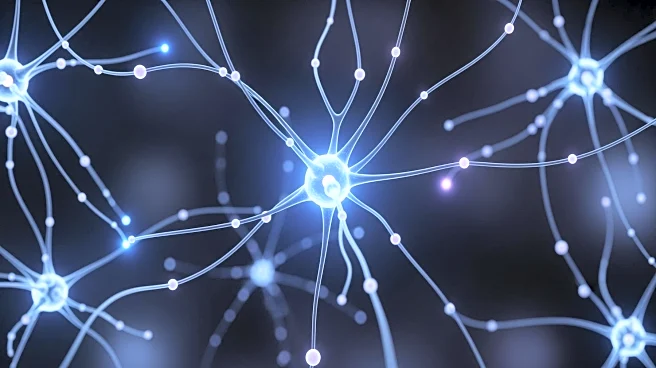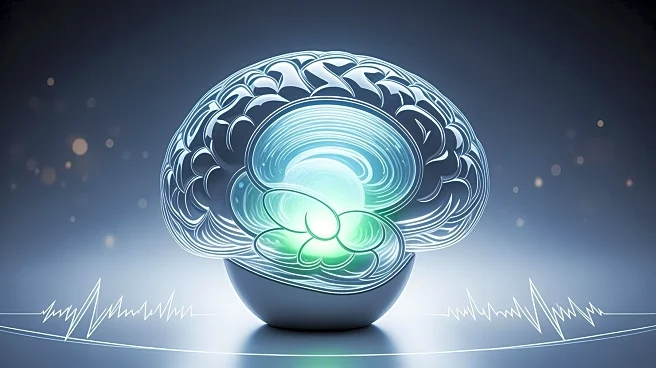




Neurofeedback, also known as EEG biofeedback, is a fascinating method that allows individuals to measure and adjust their brain activity in real-time. This non-pharmaceutical approach is gaining attention for its potential to treat various conditions such as anxiety, ADHD, and depression. By leveraging the brain's natural ability to change and adapt, known as neuroplasticity, neurofeedback offers a promising alternative to traditional medication-based
treatments.
The Basics of Neurofeedback
Neurofeedback operates on the principle that the brain can be trained to function more efficiently. It involves monitoring brain activity through electroencephalography (EEG) and providing feedback to the individual. This feedback helps the brain learn to regulate itself better. The process is non-invasive and does not involve any medication, making it an attractive option for those seeking alternative therapies.
The technique is based on the idea that the brain can be rewarded for reaching desired states. For instance, if a person is trying to reduce anxiety, the neurofeedback system can provide positive reinforcement when the brain exhibits patterns associated with calmness. Over time, the brain learns to maintain these beneficial patterns, potentially reducing symptoms of anxiety.
Applications and Benefits
Neurofeedback has shown promise in treating a variety of conditions. It is particularly noted for its use in managing ADHD, where it helps individuals improve focus and reduce impulsivity. By training the brain to maintain attention-related patterns, neurofeedback can enhance cognitive performance without the side effects often associated with medication.
In addition to ADHD, neurofeedback is used to address anxiety and depression. By encouraging the brain to adopt healthier patterns, individuals may experience a reduction in symptoms. This approach is appealing to those who prefer to avoid pharmaceuticals or have not found success with traditional treatments.
The Science Behind Neurofeedback
The effectiveness of neurofeedback is rooted in the concept of neuroplasticity, the brain's ability to reorganize itself by forming new neural connections. This adaptability allows the brain to learn and change in response to feedback. Neurofeedback sessions typically involve a series of training exercises where individuals receive real-time information about their brain activity.
As participants engage in these sessions, they gradually learn to produce the desired brainwave patterns. This learning process can lead to lasting changes in brain function, offering potential long-term benefits. While more research is needed to fully understand the mechanisms at play, the current evidence suggests that neurofeedback can be a valuable tool in the realm of mental health treatment.