






The COVID-19 pandemic not only posed a public health challenge but also highlighted significant political and social divides in the United States. One of the most contentious issues was the implementation of mask mandates. The decision to require masks became a political flashpoint, with varying responses from states and local governments. This article examines the political and social factors that influenced mask mandates across the U.S.
Political Influences on Mask Mandates
From the
onset of the pandemic, mask mandates became a symbol of political affiliation. Generally, Democratic-led states were more likely to impose mask mandates, viewing them as essential public health measures. In contrast, many Republican-led states were initially resistant to such mandates, citing individual freedoms and economic concerns.
The political divide was evident in the actions of state governors. For instance, some Republican governors, like those in Arizona and Texas, initially blocked local mask mandates but later adjusted their stances as COVID-19 cases surged. This shift highlighted the tension between public health recommendations and political ideologies.
Social and Cultural Factors
Beyond politics, social and cultural factors also played a role in the acceptance or rejection of mask mandates. In some communities, wearing a mask was seen as a sign of solidarity and responsibility, while in others, it was viewed as an infringement on personal liberties. This cultural divide was often amplified by media narratives and public figures.
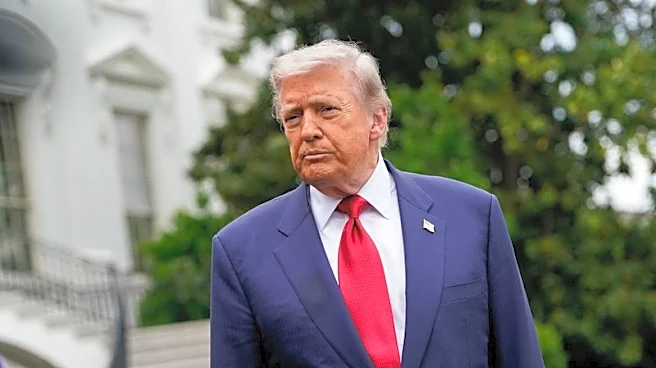
The politicization of mask-wearing was further fueled by mixed messages from national leaders. Former President Donald Trump, for example, was often seen without a mask and downplayed their necessity, which influenced public perception and behavior. In contrast, President Joe Biden emphasized mask-wearing as a critical tool in combating the pandemic.
The Impact of Changing Guidelines
The CDC's evolving mask guidelines also contributed to the political and social discourse. As the agency updated its recommendations based on new data, states had to decide whether to align with federal guidance or maintain their own policies. This led to a patchwork of regulations across the country, with some states lifting mandates while others reinstated them in response to rising cases.
The political and social dynamics surrounding mask mandates underscore the complexities of public health policy in a diverse and divided nation. While masks were a simple tool in the fight against COVID-19, their use became emblematic of broader debates about governance, individual rights, and community responsibility.