
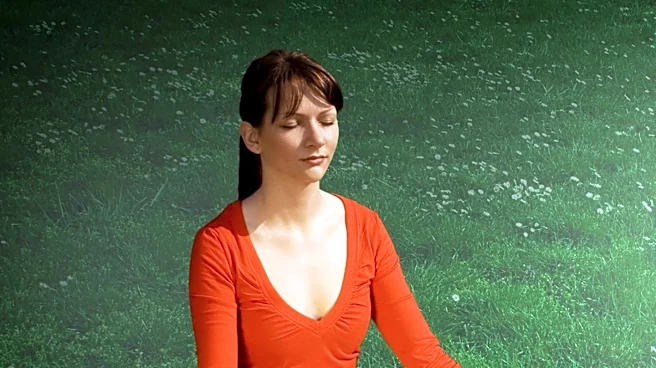
Sukhasana, or the "easy pose," is a foundational seated posture in yoga known for its simplicity and accessibility. While the basic form of Sukhasana is straightforward, there are several variations that offer unique benefits and challenges. These variations allow practitioners to tailor their practice to their individual needs and preferences.
Guptasana and Muktasana
Guptasana, also known as the "position of concealment," is a variation of Sukhasana that involves crossing
the legs with the heels overlapping and the soles of the feet turned upward. This posture creates a sense of concealment, as if the practitioner is hiding something. The overlapping of the heels adds a layer of complexity to the pose, requiring greater flexibility and balance.
Muktasana, or the "position of freedom," is another variation that involves overlapping the heels. However, the focus of Muktasana is on creating a sense of liberation and openness in the posture. This variation encourages practitioners to explore the feeling of freedom within the constraints of a seated pose, making it a powerful tool for meditation and self-reflection.
Siddhasana and Svastikasana
Siddhasana, often referred to as the "perfect pose," is a more advanced variation of Sukhasana. In Siddhasana, the legs are crossed with the feet placed in front of the perineum. This alignment is believed to help direct energy upward, making it a popular choice for meditation and pranayama practices. Siddhasana requires a higher level of flexibility and focus, offering a deeper experience for seasoned practitioners.
Svastikasana, or the "position of fortune," involves placing the feet behind the opposite knee. This variation is known for its stability and comfort, making it a suitable choice for long meditation sessions. The unique leg positioning in Svastikasana helps to create a balanced and grounded posture, which can enhance concentration and mindfulness.
Padmasana: The Lotus Position
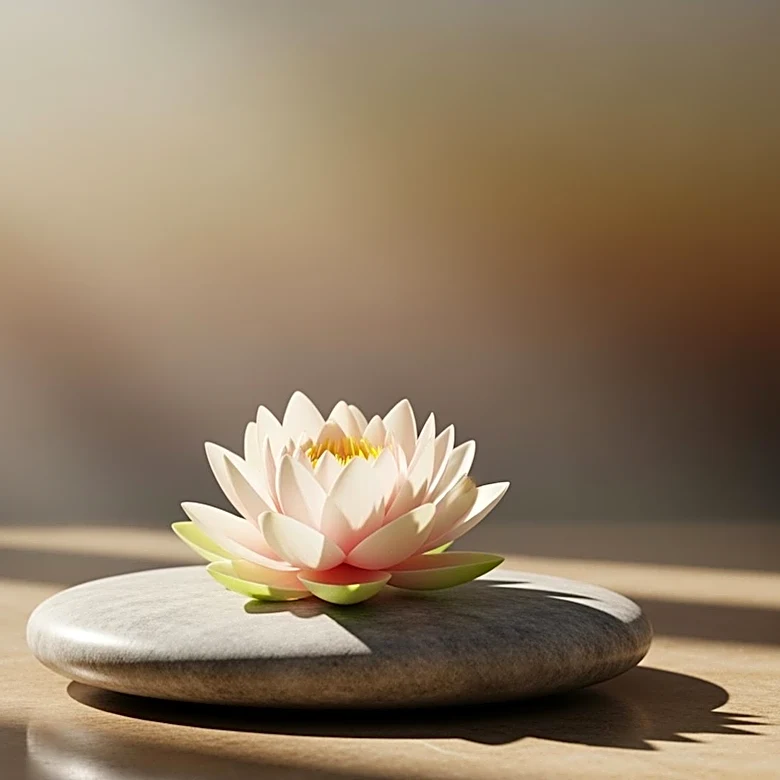
Padmasana, commonly known as the "lotus position," is perhaps the most iconic variation of Sukhasana. In this pose, the feet are placed on top of the thighs, creating a symmetrical and balanced posture. Padmasana is often associated with advanced yoga practice due to the flexibility and strength required to maintain the position.
The lotus position is highly revered in many spiritual traditions for its ability to promote deep meditation and spiritual awakening. While it may be challenging for beginners, Padmasana offers profound benefits for those who can practice it safely. It symbolizes the blossoming of consciousness and the journey toward enlightenment, making it a powerful addition to any yoga practice.