





Yoga as exercise has evolved into a diverse practice with numerous styles and schools, each offering unique approaches and benefits. From the intense heat of Bikram Yoga to the precise alignment of Iyengar Yoga, modern yoga caters to a wide range of preferences and goals. This article explores the different styles of yoga as exercise and their distinctive characteristics.
Bikram Yoga and Aerobic Intensity
Bikram Yoga, known for its intense aerobic style, is practiced in rooms heated
to 105°F (41°C). This style follows a fixed sequence of 26 postures and two breathing exercises, designed to promote flexibility, strength, and detoxification. The heat is believed to enhance the practice by increasing circulation and allowing for deeper stretches.
The structured nature of Bikram Yoga appeals to those seeking a rigorous workout, and its popularity has contributed to the growth of hot yoga studios worldwide. Despite its physical demands, Bikram Yoga emphasizes the importance of mindfulness and breath control, aligning with the broader goals of yoga as exercise.
Iyengar Yoga and Precision
Iyengar Yoga, developed by B.K.S. Iyengar, focuses on precise alignment and the use of props to support the body in various postures. This style is known for its attention to detail, with practitioners encouraged to hold poses for extended periods to deepen their understanding and experience.
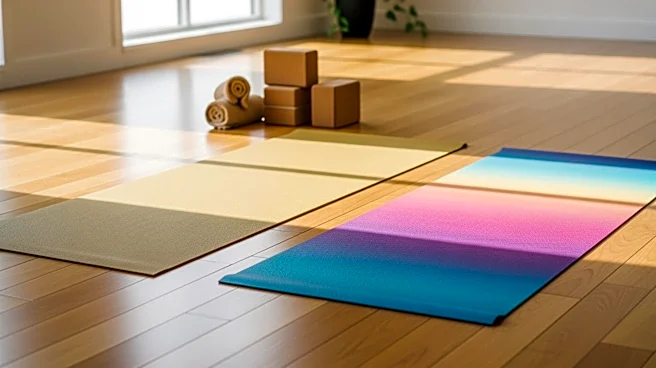
The use of props, such as blocks, straps, and bolsters, makes Iyengar Yoga accessible to people of all ages and abilities. It is particularly beneficial for those recovering from injuries or seeking to improve their posture and alignment. Iyengar Yoga's emphasis on precision and alignment has influenced many other styles of yoga, contributing to its widespread popularity.
Sivananda Yoga and Spiritual Practice
Sivananda Yoga, founded by Swami Sivananda, integrates spiritual practice with physical exercise. This style follows a traditional approach, incorporating 12 basic poses, chanting, pranayama (breathing exercises), meditation, and relaxation in each class. The practice is designed to promote physical health, mental clarity, and spiritual growth.
Sivananda Yoga places importance on a vegetarian diet and a holistic lifestyle, reflecting its roots in traditional yoga philosophy. It appeals to those seeking a more spiritual approach to yoga, offering a comprehensive practice that nurtures the body, mind, and spirit.
In conclusion, the diverse styles of modern yoga offer something for everyone, catering to a wide range of preferences and goals. Whether seeking a rigorous workout, precise alignment, or spiritual growth, practitioners can find a style that resonates with their needs. The variety of yoga styles reflects the adaptability and enduring appeal of yoga as exercise, making it a valuable practice for people worldwide.