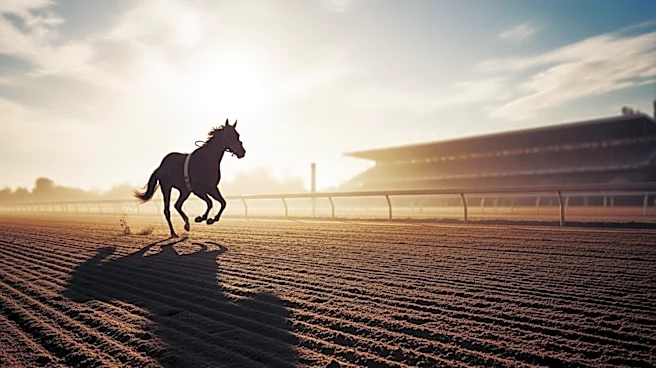






The 1880 Kentucky Derby is remembered not just for its winner, Fonso, but for the unique environmental conditions that played a pivotal role in the race's outcome. Held on May 18, 1880, this sixth running of the Derby was marked by a dry spell that left the track covered in thick dust. This dust became a significant factor, affecting the visibility of the horses and jockeys, and ultimately influencing the race's results.
The Role of Dust in the Race
The 1880 Kentucky Derby was
run under unusual conditions due to a prolonged dry spell that began in late April and continued until race day. This dry weather left the track at Churchill Downs with a thick layer of dust. As the race commenced, this dust was kicked up by the horses, creating a cloud that obscured the view for those trailing behind. Fonso, who took an early lead, managed to stay ahead of this dust cloud, which partially blinded the horses and jockeys behind him. This advantage allowed Fonso to maintain his lead and secure the victory.
The impact of the dust was so significant that it was credited with helping Fonso win the race. While Fonso was not considered an exceptional horse, the environmental conditions played to his advantage. His early lead meant he was less affected by the dust, which hindered the performance of the other contenders.
Fonso's Unexpected Triumph
Fonso's victory in the 1880 Kentucky Derby was unexpected. He was not regarded as an outstanding horse, having been purchased for just $200. However, his win at the Derby increased his value significantly. After the summer races in Lexington, his owner sold him for approximately $2,500, a substantial increase from his purchase price.
Despite his victory, Fonso's performance was not without controversy. This race was the first in Derby history where a jockey officially registered a complaint. Billy Lakeland, the jockey of the horse Kimball, claimed a foul against Fonso. However, the complaint was not upheld, and Fonso's victory stood.
The Legacy of the 1880 Derby
The 1880 Kentucky Derby is a reminder of how external factors, such as weather and track conditions, can influence the outcome of a race. Fonso's win, aided by the dusty conditions, highlights the unpredictable nature of horse racing. It also underscores the importance of strategy and positioning, as Fonso's early lead was crucial in his ability to avoid the dust cloud that affected his competitors.
This race also marked a significant moment in Derby history, as it was the first time a jockey's complaint was officially recorded, setting a precedent for future races. The 1880 Derby remains a fascinating example of how environmental conditions can shape the course of sporting events.