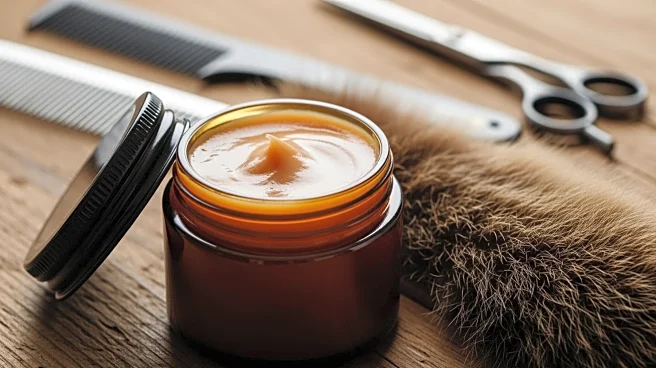



Pomade has been a staple in hairstyling for centuries, evolving significantly from its early origins. This greasy, waxy, or water-based substance is known for giving hair a shiny, slick appearance and has been used to create iconic hairstyles like the pompadour. Over time, the ingredients and formulations of pomade have changed, reflecting broader shifts in consumer preferences and technological advancements.
Early Origins and Ingredients
The history of pomade dates back to the
18th and 19th centuries when it was primarily made from bear fat or lard. These animal fats were the main components, providing the greasy texture necessary for styling hair into the desired shapes. The use of such ingredients was common due to their availability and effectiveness in holding hair in place.
As time progressed, the formulation of pomade began to change. Lanolin, beeswax, and petroleum jelly became popular ingredients, replacing the traditional animal fats. These new components offered similar styling benefits but with improved texture and longevity. The shift in ingredients also reflected a growing awareness of hygiene and the desire for more pleasant-smelling products.
The Rise of Modern Pomades
The early 20th century saw the introduction of several pomade brands that are still recognized today. Products like Murray's Superior Pomade, Sweet Georgia Brown Hair Dressing Pomade, and Royal Crown Pomade emerged during this period, each offering unique formulations and scents. These pomades became popular for their ability to maintain sculptured hairstyles, which were fashionable at the time.
The popularity of pomade peaked between the 1920s and 1950s, coinciding with the rise of hairstyles like the ducktail and pompadour. These styles required a strong hold, which pomade provided. However, the advent of new hairstyles and cultural shifts in the 1960s led to a decline in pomade's popularity.
Modern Resurgence and Natural Alternatives
In recent years, pomade has experienced a resurgence, driven by a renewed interest in vintage hairstyles and a shift towards natural and ethical consumerism. Modern pomades are available in both traditional oil-based and newer water-based formulations. Water-based pomades are particularly popular for their ease of removal, requiring fewer washes than their oil-based counterparts.
The trend towards natural hair care has also influenced pomade formulations. Many consumers now prefer products made from natural ingredients like shea butter and nourishing oils, which offer styling benefits while promoting hair and scalp health. This shift reflects a broader movement towards products that align with health-conscious and environmentally friendly lifestyles.
Overall, the evolution of pomade illustrates the dynamic nature of hairstyling products and their ability to adapt to changing consumer needs and preferences. From its humble beginnings as a simple mixture of animal fats to its current status as a versatile styling product, pomade continues to play a significant role in personal grooming.