


Astrology has evolved significantly over the centuries, with planets playing a crucial role in shaping its practices and interpretations. In modern astrology, planets are seen as symbols of fundamental drives and influences, affecting various aspects of human life. This article explores how planets influence modern astrological practices and interpretations.
Planets as Symbols of Human Drives
In modern astrology, planets are viewed as symbols of basic drives or urges within the subconscious.
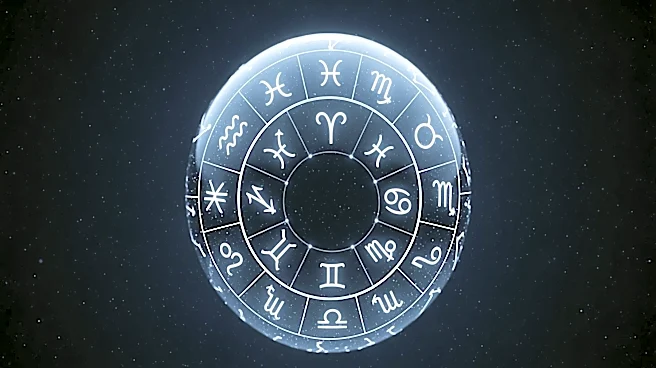
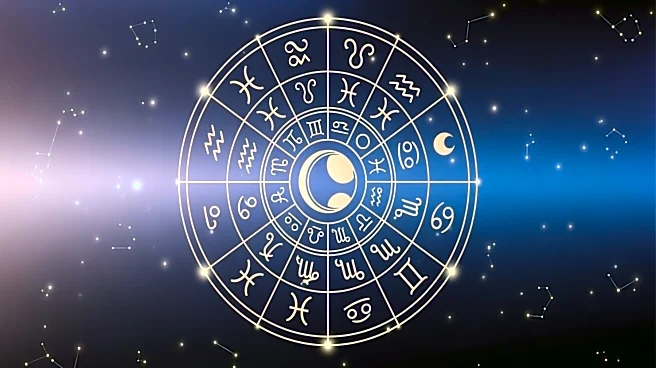
They are thought to regulate energy flow and represent different dimensions of experience. Each planet expresses itself through the 12 zodiac signs and houses, influencing human behavior and experiences.
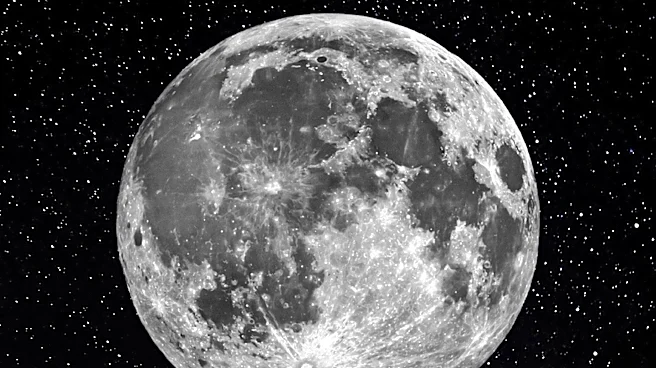
For instance, the Sun is associated with personal power, creativity, and leadership qualities, while the Moon represents emotions, intuition, and the subconscious. Mercury governs communication, reasoning, and adaptability, while Venus is linked to harmony, beauty, and relationships. Mars symbolizes aggression, energy, and ambition, while Jupiter represents growth, expansion, and prosperity. Saturn, known for its discipline and responsibility, is associated with limitations and boundaries.
The Role of Aspects and Houses
In astrology, the relationships between planets are expressed through aspects, which are angles formed between them in a natal chart. These aspects indicate how planets interact with each other, highlighting areas of harmony or tension. For example, a trine between Venus and Jupiter might suggest a harmonious relationship, while a square between Mars and Saturn could indicate challenges in achieving goals.
The houses in astrology represent different areas of life, such as career, relationships, and personal growth. Each planet's position in a house influences how its symbolic qualities manifest in an individual's life. For instance, the Sun in the tenth house might indicate a strong focus on career and public image, while the Moon in the fourth house could suggest a deep connection to home and family.
Modern Interpretations and Discoveries
The discovery of new planets, such as Uranus, Neptune, and Pluto, has expanded the scope of modern astrology. These planets are often associated with broader societal influences, affecting entire generations rather than individuals. Uranus symbolizes progress and sudden changes, Neptune is linked to dreams and idealism, and Pluto represents transformation and renewal.
Modern astrologers continue to explore the meanings and influences of these planets, integrating them into astrological interpretations. This ongoing evolution reflects the dynamic nature of astrology, as it adapts to new discoveries and insights. The influence of planets in modern astrology remains a vital aspect of understanding human behavior and experiences.