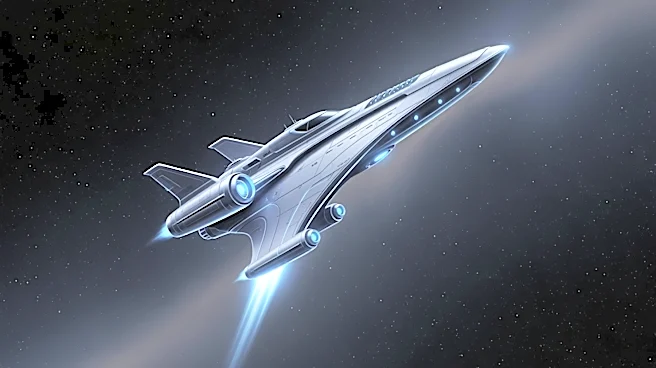







Star Trek, a cornerstone of science fiction, began as a modest television series in the 1960s and has since grown into a sprawling media franchise. Created by Gene Roddenberry, the series has expanded to include multiple television series, films, and other media, becoming a cultural phenomenon. This article explores the evolution of Star Trek from its original series to its current status as a major franchise.
The Original Series and Its Impact
Star Trek: The Original Series (TOS) debuted
in 1966, introducing audiences to the starship USS Enterprise and its diverse crew. The series was groundbreaking for its time, featuring a multiracial cast and addressing contemporary social issues through its futuristic setting. Despite its innovative approach, TOS struggled with ratings and was canceled after three seasons. However, its syndication success in the 1970s helped it gain a cult following, laying the groundwork for future expansions.
The Original Series set the tone for the franchise, with its focus on exploration, diplomacy, and moral dilemmas. It introduced iconic characters like Captain James T. Kirk, Spock, and Dr. Leonard "Bones" McCoy, whose dynamic relationships became a hallmark of the series. The show's influence extended beyond entertainment, inspiring technological innovations and promoting progressive social values.
Expansion into Films and New Series
Following the success of TOS in syndication, Star Trek expanded into films, beginning with Star Trek: The Motion Picture in 1979. This film, along with its sequels, continued the adventures of the original crew, further solidifying the franchise's popularity. The success of these films led to the creation of new television series, starting with Star Trek: The Next Generation (TNG) in 1987.
TNG introduced a new crew and setting, taking place a century after TOS. It became a critical and commercial success, running for seven seasons and spawning additional series like Deep Space Nine, Voyager, and Enterprise. Each series explored different aspects of the Star Trek universe, expanding its lore and attracting new fans.
The Modern Era and Streaming Expansion
In the 21st century, Star Trek continued to evolve with the times. The franchise underwent a cinematic reboot with the 2009 film Star Trek, directed by J.J. Abrams, which introduced an alternate timeline known as the Kelvin Timeline. This reboot brought new life to the series, appealing to both longtime fans and newcomers.
The advent of streaming services provided new opportunities for Star Trek's expansion. Star Trek: Discovery, which premiered in 2017, marked the franchise's return to television, followed by series like Picard, Lower Decks, and Strange New Worlds. These new series explore different facets of the Star Trek universe, ensuring its relevance in the modern media landscape.
Star Trek's journey from a single television series to a vast media franchise is a testament to its enduring appeal and cultural significance. Its ability to adapt and expand while staying true to its core values has allowed it to remain a beloved part of science fiction history.