


Hillclimbing is a motorsport that tests the limits of both drivers and their vehicles. The unique nature of racing uphill against the clock presents a set of technical challenges that require skill, precision, and innovation. This article explores the technical aspects of hillclimbing, focusing on the challenges faced by competitors and the adaptations made to vehicles to conquer steep inclines.
Vehicle Modifications
In hillclimbing, vehicles are often modified to enhance
performance and handle the demands of steep, winding courses. One common modification is the use of twin rear tires, which provide better traction on the challenging terrain. This adaptation is particularly useful in high-powered vehicles, where maintaining grip is crucial for a successful run.
Manufacturers like Porsche have developed specialized vehicles for hillclimbing. The Porsche 909 Bergspyder, for example, was designed to be lightweight, weighing only 384 kg, to maximize speed and agility. Such modifications highlight the importance of vehicle design in overcoming the technical challenges of hillclimbing.
Driver Skills and Strategies
Hillclimbing requires a unique set of driving skills. Drivers must navigate a series of sharp turns and steep inclines, often with limited visibility and varying road conditions. Precision and control are essential, as even a small mistake can result in a significant loss of time or a crash.
Drivers must also be adept at managing their vehicle's power and traction. The ability to accelerate smoothly and maintain speed through corners is critical. In events like the Pikes Peak International Hill Climb, where the course reaches high altitudes, drivers must also contend with reduced air density, which can affect engine performance and vehicle handling.
Technological Innovations
Advancements in technology have played a significant role in the evolution of hillclimbing. Modern vehicles are equipped with sophisticated systems that enhance performance and safety. For example, electronic stability control and advanced braking systems help drivers maintain control on challenging courses.
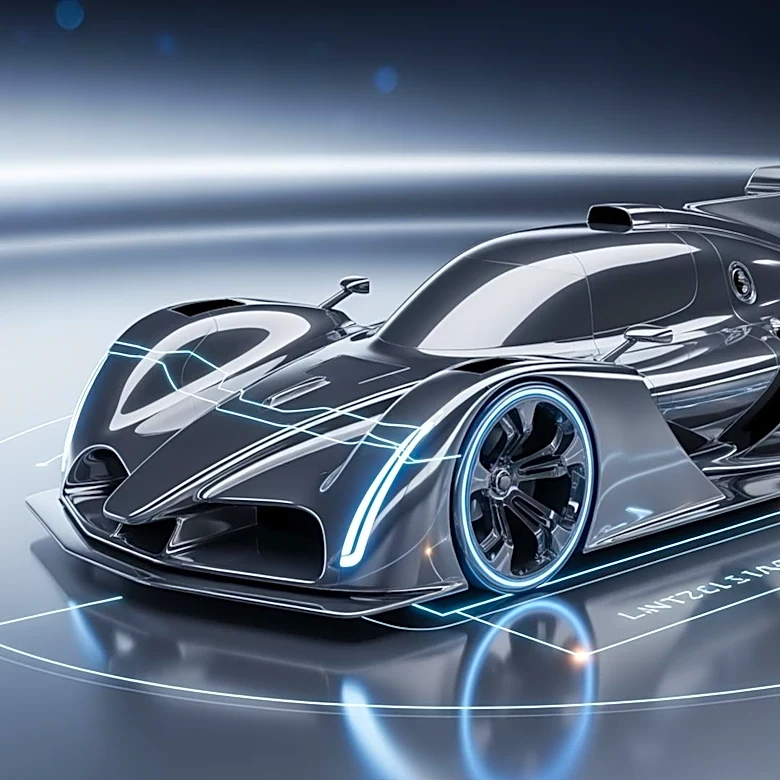
Electric vehicles have also made their mark in hillclimbing. The Volkswagen I.D. R Pikes Peak, an electric prototype, set a record time at the Pikes Peak event, showcasing the potential of electric powertrains in this demanding sport. The use of electric vehicles highlights the ongoing innovation in hillclimbing, as competitors seek new ways to gain an edge.
Hillclimbing is a sport that combines technical expertise, driver skill, and innovative vehicle design. The challenges it presents continue to push the boundaries of what is possible in motorsport, making it an exciting and dynamic field for both competitors and fans.