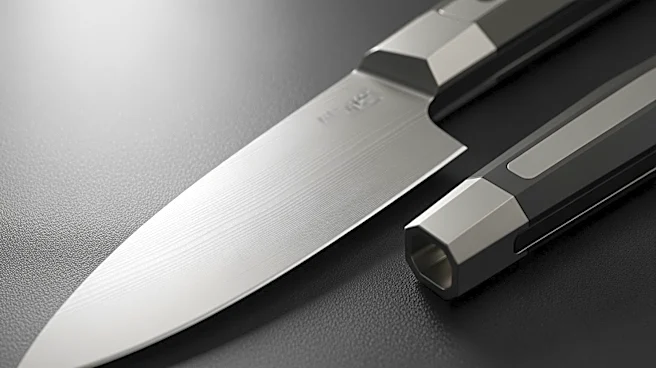








Modern knives are sophisticated tools designed for a variety of purposes, from culinary tasks to outdoor adventures. Understanding the anatomy of a knife can enhance its use and maintenance, ensuring optimal performance. This article explores the key components and design features of modern knives, highlighting their functionality and versatility.
Blade Design
The blade is the most critical component of a knife, responsible for its cutting ability. Modern knife blades
can be plain or serrated, with some featuring a combination of both. Serrated edges are ideal for tasks requiring sawing motions, while plain edges excel in push-through cuts like slicing and chopping. The blade's grind, or cross-section shape, influences its cutting performance, with flat ground blades offering durability and hollow ground blades providing precision for shallow cuts.
Knife blades are manufactured from various materials, each offering distinct advantages. Carbon steel blades are sharp and easy to maintain but prone to rust, while stainless steel blades resist corrosion but may not achieve the same sharpness. High carbon stainless steel combines the best attributes of both, maintaining a sharp edge without discoloration. Laminated blades use multiple metals to enhance durability, while titanium and ceramic blades offer lightweight alternatives with unique properties.
Handle Construction
The handle of a knife is crucial for safe and effective use, providing grip and control. Handles can be made from materials like wood, plastic, rubber, and metal, each offering different benefits. Wood handles are warm and provide good grip but require careful maintenance to prevent damage. Plastic handles are easy to care for but may become slippery over time, while rubber handles offer cushioning and durability.
Metal handles, such as those made from stainless steel or aluminum, are durable and sanitary but can be uncomfortable in extreme temperatures. Exotic materials like bone, antler, and mother of pearl are often used in decorative knives, adding aesthetic appeal. The handle may include features like a bolster for strength and a lanyard for secure handling.
Folding and Fixed Blades
Modern knives come in two main types: folding and fixed blades. Folding knives are compact and portable, featuring a pivot that allows the blade to fold into the handle. They often include locking mechanisms to prevent accidental closure, with popular designs like the lock back and liner lock offering safety and ease of use.
Fixed blade knives, also known as sheath knives, do not fold and are typically stronger due to the tang extending into the handle. They are favored for tasks requiring durability and reliability, such as hunting and survival activities. The choice between folding and fixed blades depends on the intended use and personal preference, with each offering distinct advantages.