




Human physiology is a fascinating field that delves into how the body's systems work together to maintain a stable internal environment. This intricate balance, known as homeostasis, is crucial for health and well-being. By examining the different systems, we can gain a deeper understanding of how our bodies function.
The Nervous and Endocrine Systems
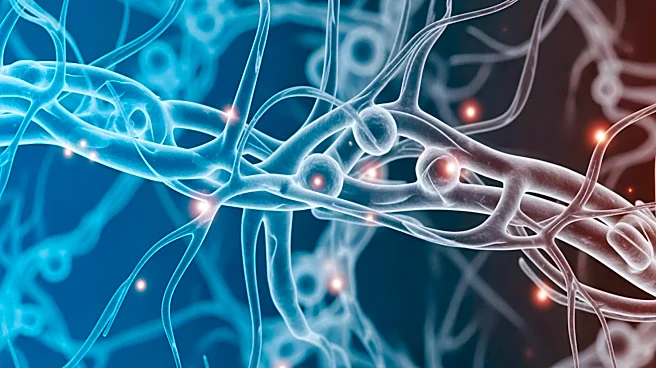
The nervous system is a complex network that coordinates the body's activities by transmitting signals between different parts. It includes
the brain, spinal cord, and nerves, which work together to process information and control responses. The nervous system is essential for maintaining homeostasis by regulating functions such as heart rate, breathing, and digestion.
Complementing the nervous system is the endocrine system, which uses hormones to regulate bodily functions. Glands such as the pituitary, thyroid, and adrenal glands release hormones into the bloodstream, influencing processes like metabolism, growth, and mood. Together, the nervous and endocrine systems ensure that the body responds appropriately to internal and external changes.
The Cardiovascular and Respiratory Systems
The cardiovascular system, comprising the heart and blood vessels, is responsible for transporting nutrients, oxygen, and waste products throughout the body. The heart pumps blood through a network of arteries and veins, ensuring that every cell receives the necessary resources to function. This system plays a vital role in maintaining homeostasis by regulating blood pressure and temperature.
The respiratory system works closely with the cardiovascular system to supply oxygen and remove carbon dioxide. It includes the lungs, trachea, and diaphragm, which facilitate the exchange of gases during breathing. By maintaining proper oxygen and carbon dioxide levels, the respiratory system helps keep the body's internal environment stable.
The Digestive and Urinary Systems
The digestive system is responsible for breaking down food into nutrients that the body can absorb and use for energy, growth, and repair. It includes organs such as the stomach, intestines, and liver, which work together to process food and eliminate waste. Proper digestion is essential for maintaining the body's energy balance and overall health.
The urinary system, consisting of the kidneys, bladder, and urethra, helps regulate the body's fluid balance by removing waste products and excess water. The kidneys filter blood to produce urine, which is then excreted from the body. This system plays a crucial role in maintaining homeostasis by controlling electrolyte levels and blood pressure.
Understanding the various systems in human physiology highlights the complexity and interdependence of the body's functions. Each system plays a unique role in maintaining homeostasis, ensuring that the body operates efficiently and effectively.