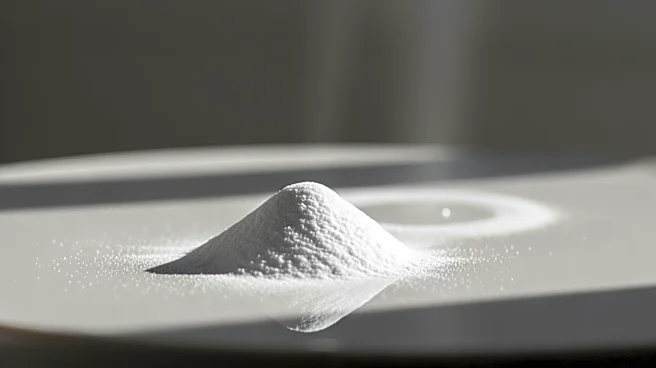







Baking soda, or sodium bicarbonate, is a key ingredient in many baked goods, known for its ability to help doughs and batters rise. This leavening power is rooted in its chemical properties and reactions. Understanding the science behind baking soda's effectiveness can enhance its use in culinary applications.
Chemical Reactions in Baking
The primary function of baking soda in baking is as a leavening agent. When sodium bicarbonate is mixed with acidic ingredients, it undergoes
a chemical reaction that releases carbon dioxide gas. This reaction can be represented by the equation: NaHCO3 + H+ → Na+ + CO2 + H2O. The carbon dioxide gas forms bubbles in the dough or batter, causing it to expand and rise.
Common acidic ingredients that trigger this reaction include cream of tartar, citric acid, and vinegar. The acid-base reaction is crucial for creating the light and airy texture characteristic of cakes, quick breads, and soda bread. Without an acidic component, baking soda can still act as a leavening agent through thermal decomposition, releasing carbon dioxide when heated above 80°C (180°F).
Baking Soda vs. Baking Powder
While baking soda is a standalone leavening agent, baking powder is a combination of baking soda and an acid, typically cream of tartar. This mixture allows baking powder to function without additional acidic ingredients in the recipe. When water is added, the acid in baking powder reacts with the sodium bicarbonate, releasing carbon dioxide and causing the dough to rise.
Baking soda is alkaline, and when used alone, it can produce a bitter taste and yellow color in baked goods due to the formation of sodium carbonate. Baking powder avoids this issue by including an acid that neutralizes the alkaline taste, ensuring a pleasant flavor and appearance.
Practical Applications in Cooking
Understanding the chemical reactions of baking soda can improve its use in cooking. For instance, adjusting the amount of baking soda or acid in a recipe can affect the texture and flavor of the final product. In recipes lacking acidic ingredients, baking powder may be a better choice to ensure proper leavening.
Baking soda is also used in cooking to tenderize meats and enhance browning. Its alkaline nature affects gluten production in doughs, improving texture and flavor. Additionally, it is used in the production of sherbet powder, where its reaction with citric acid creates a fizzing sensation.
The science behind baking soda's leavening power is a fascinating example of chemistry in everyday life. By understanding its chemical properties and reactions, bakers and cooks can harness its full potential to create delicious and well-textured baked goods.