




Handstands are a versatile and dynamic element found in many physical disciplines, from gymnastics to yoga. This inverted position, where the body is balanced on the hands, is not only a test of strength and balance but also a fundamental skill in various activities. This article explores the role of handstands in different disciplines, highlighting their unique applications and the skills they develop.
Handstands in Gymnastics and Dance
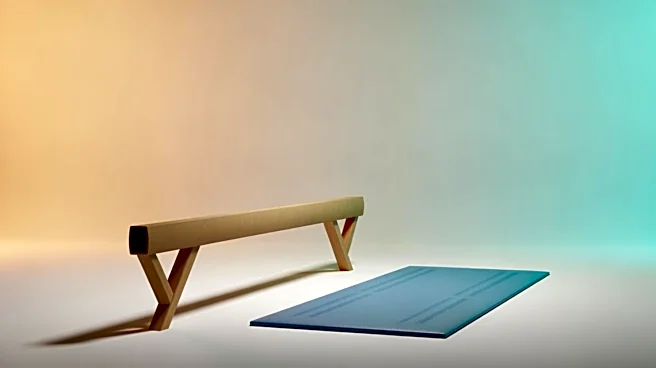
In gymnastics, handstands are a foundational
skill that is integral to many routines and apparatuses. Gymnasts perform handstands on the floor, balance beams, and parallel bars, often transitioning into other moves from this position. The ability to hold a handstand with precision and control is crucial, as it demonstrates strength, balance, and body awareness.
Similarly, in dance, particularly in styles like breakdancing, handstands are used to create dynamic and visually striking movements. Dancers incorporate handstands into freezes and kicks, showcasing their agility and creativity. The handstand's versatility allows dancers to express themselves through a range of movements, making it a valuable skill in their repertoire.
Handstands in Martial Arts and Yoga
In martial arts, such as capoeira, handstands are used as both a defensive and offensive maneuver. The fluidity and control required to perform a handstand in capoeira allow practitioners to evade attacks and launch counterattacks with precision. This application of handstands highlights the importance of balance and coordination in martial arts.
In yoga, the handstand is known as Adho Mukha Vrksasana, or the Downward-facing Tree Pose. It is considered an advanced pose that requires strength, focus, and balance. In yoga practice, the handstand is not only a physical challenge but also a mental one, as it encourages practitioners to overcome fear and develop concentration. The pose is believed to offer numerous benefits, including improved circulation and mental clarity.
Handstands in Aquatic Activities
Handstands are also performed in aquatic environments, where they take on a playful and competitive nature. Swimmers often engage in underwater handstand contests, where the goal is to maintain the position for as long as possible. This variation of the handstand requires a different set of skills, as buoyancy and water resistance add unique challenges.
In competitive diving, armstand dives begin with a handstand on the diving platform. This requires divers to have exceptional balance and control, as they must transition smoothly from the handstand into their dive. The inclusion of handstands in diving routines showcases the skill and precision required in this sport.