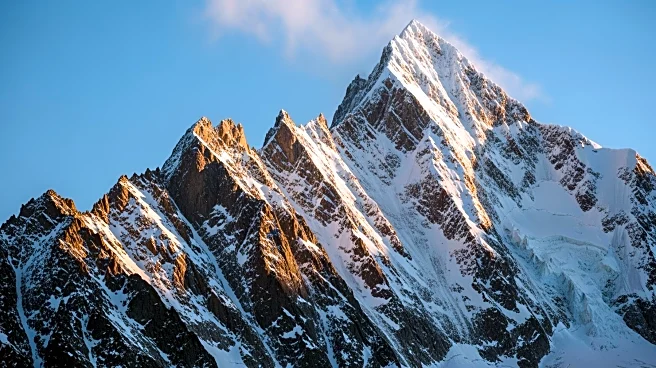




Mount Saint Elias, standing at 18,008 feet, is the second-highest peak in both Canada and the United States. Located on the border between the Yukon Territory and Alaska, this mountain is part of the Saint Elias Mountains and is renowned for its challenging climbing conditions. This article explores the history of climbing Mount Saint Elias and the unique challenges it presents to climbers.
The History of Climbing Mount Saint Elias
The first successful ascent of Mount Saint Elias was achieved
on July 31, 1897, by an Italian expedition led by Prince Luigi Amedeo, Duke of the Abruzzi. This historic climb marked the beginning of Mount Saint Elias's reputation as a formidable challenge for mountaineers. The expedition included noted mountain photographer Vittorio Sella, who documented the climb and captured the mountain's rugged beauty.
Despite its early ascent, Mount Saint Elias remains infrequently climbed due to its remote location and harsh weather conditions. The second ascent did not occur until 1946, when a group from the Harvard Mountaineering Club successfully reached the summit. This expedition required multiple air supply drops and the establishment of eleven camps, highlighting the logistical challenges of climbing the mountain.
The Challenges of Climbing Mount Saint Elias
Mount Saint Elias is known for its severe weather conditions, which include prolonged storms, extreme precipitation, and hurricane-force winds. The mountain's proximity to the Pacific Ocean places it directly in the path of intense low-pressure systems, resulting in unpredictable and often dangerous weather. Climbers must be prepared for sudden changes in conditions, including whiteouts and sub-zero temperatures.
The mountain's immense vertical relief adds to the difficulty of the climb. Its summit rises 18,008 feet in just 10 miles from sea level, creating a steep and challenging ascent. The technical difficulty of the climb, combined with the harsh weather, results in a high expedition failure rate. Modern climbers are advised that the mountain receives snow year-round, and prolonged storms can trap expeditions at high camps for weeks.
The Legacy of Mount Saint Elias
Despite its challenges, Mount Saint Elias continues to attract climbers seeking to test their skills against one of North America's most formidable peaks. The mountain's history of exploration and adventure adds to its allure, drawing climbers from around the world who are eager to follow in the footsteps of early pioneers.
The mountain's role in the cultural heritage of the region is also significant. For the Tlingit people, Mount Saint Elias is known as Yas'éit'aa Shaa, meaning "mountain behind Icy Bay," and holds cultural and spiritual importance. This connection to the land adds another layer of meaning to the experience of climbing Mount Saint Elias.
In conclusion, Mount Saint Elias is a climber's challenge that offers both physical and cultural rewards. Its history, difficulty, and significance make it a unique and compelling destination for those seeking adventure in the Saint Elias Mountains.