
The Monte Carlo Rally is renowned for its demanding conditions and strategic complexity, making it a unique event in the world of motorsport. From its inception in 1911, the rally has tested the skills and ingenuity of drivers and teams, requiring them to navigate a variety of terrains and weather conditions. The strategic elements of the rally are as crucial as the driving itself, adding layers of complexity to this iconic event.
Terrain and Weather Challenges
One of the defining
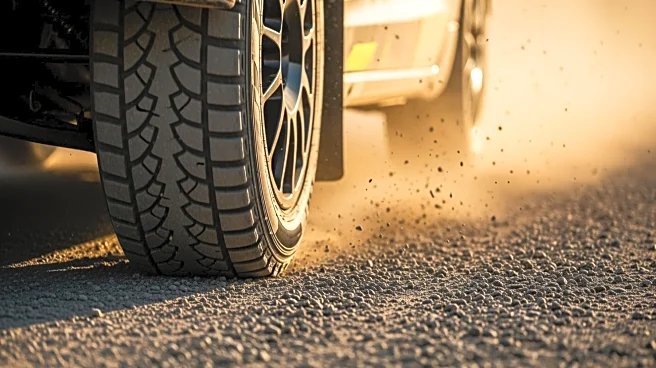
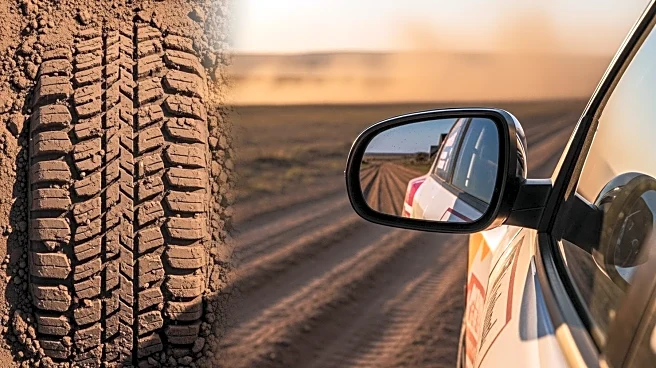
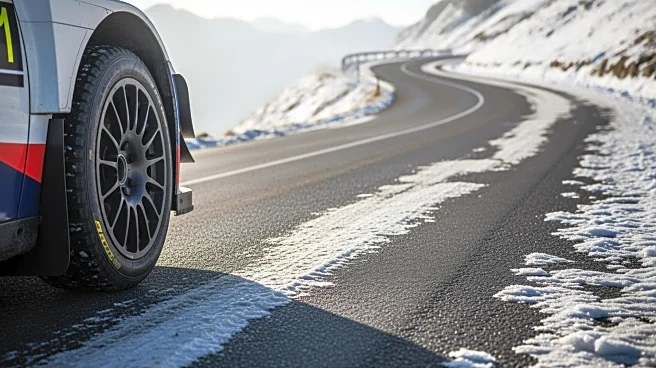
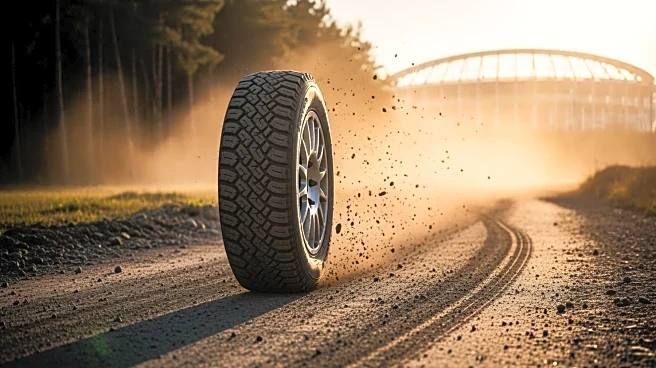
features of the Monte Carlo Rally is the diverse range of terrains and weather conditions that competitors must face. The rally takes place in January, often resulting in a mix of dry tarmac, wet roads, snow, and ice. This variability requires drivers to make strategic decisions about tire selection, balancing the need for grip on icy surfaces with performance on dry roads.
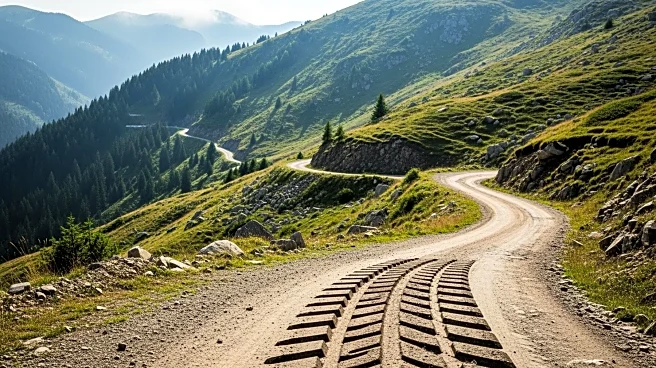
The Col de Turini stage is particularly challenging, with its steep mountain roads and hairpin turns. Drivers must navigate this stage with precision, often under the cover of darkness during the "Night of Turini." The unpredictable conditions and the strategic demands of tire choice make this stage a highlight of the rally.
Strategic Elements and Team Dynamics
The Monte Carlo Rally is not just a test of driving skill; it is a strategic competition that requires careful planning and teamwork. Teams must analyze weather forecasts and road conditions to make informed decisions about tire selection and vehicle setup. The ability to adapt to changing conditions is crucial, as the rally's stages can vary significantly in terms of surface and weather.
Team dynamics play a vital role in the rally's success. The collaboration between drivers, co-drivers, and support teams is essential for navigating the rally's challenges. Effective communication and coordination can make the difference between victory and defeat, highlighting the importance of teamwork in this demanding event.
The Role of Innovation and Technology
Innovation and technology are integral to the Monte Carlo Rally, with teams constantly seeking ways to improve performance and gain a competitive edge. Advances in tire technology, vehicle design, and data analysis have transformed the rally, allowing teams to optimize their strategies and adapt to the event's challenges.
The rally's emphasis on innovation is reflected in its history, from the early days of showcasing automotive advancements to the modern focus on technological solutions. This commitment to innovation ensures that the Monte Carlo Rally remains a dynamic and evolving event, attracting teams and spectators alike.