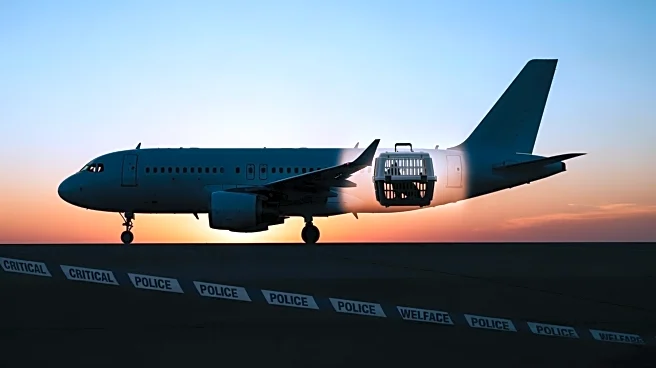




Air transportation of domestic pets has become increasingly common, yet it is fraught with controversies and challenges. This article examines the issues surrounding the air travel of pets, including airline policies, safety concerns, and notable incidents.
Airline Policies and Practices
Airline policies regarding the transportation of domestic pets vary significantly. While some airlines allow pets in passenger cabins, others restrict them to the hold or decline to carry them altogether.
The American Ferret Association provides advice on the policies of various carriers, highlighting the need for pet owners to be aware of airline-specific regulations.
Specialist animal air transportation companies have emerged to address the complexities of flying with pets. These companies arrange whole-aircraft charters for larger projects, often employing flying veterinarians to ensure the safety and comfort of animal passengers. Despite these efforts, inconsistencies in airline policies continue to pose challenges for pet owners.
Safety Concerns and Incidents
Safety concerns are a significant issue in the air transportation of pets. The risks associated with flying animals include injury, stress, and even death. In 2018, United Airlines faced backlash after a passenger's pet died in an overhead bin, highlighting the potential dangers of improper handling.
Other incidents have involved pets being mistakenly sent to incorrect destinations. In March 2018, Delta Air Lines sent a puppy to Salt Lake City instead of its intended Boise destination. Such errors underscore the importance of careful planning and communication between airlines and pet owners.
Addressing Controversies and Improving Practices
To address these controversies, airlines must prioritize the safety and well-being of pets during transit. This includes implementing clear policies, providing adequate training for staff, and ensuring proper handling procedures. Transparency and communication with pet owners are also crucial for preventing misunderstandings and errors.
Continued advocacy and awareness efforts are needed to improve the air transportation of pets. Organizations like the American Ferret Association play a vital role in educating pet owners and promoting best practices. By working together, airlines, pet owners, and advocacy groups can enhance the safety and reliability of air travel for domestic pets.
In conclusion, the air transportation of domestic pets is a complex and often controversial issue. While progress has been made in addressing safety concerns and improving airline policies, challenges remain. By prioritizing the welfare of pets and fostering collaboration among stakeholders, the industry can continue to evolve and provide safer, more reliable options for pet owners.