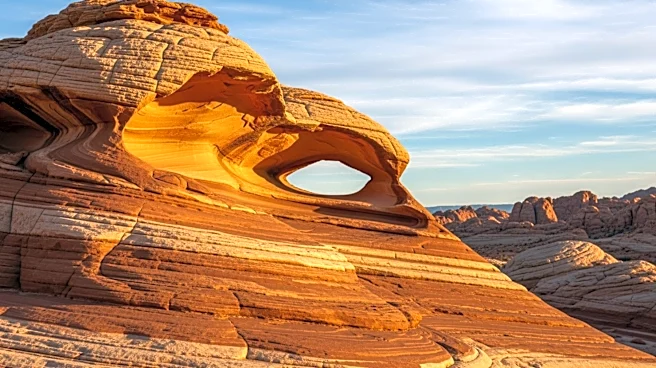







Natural Bridges National Monument in Utah is renowned for its stunning natural bridges, which are remarkable examples of geological processes at work. These formations are the result of millions of years of erosion and weathering, creating some of the largest natural bridges in the world. Understanding the geology behind these formations provides insight into the natural history of the region and the forces that shaped its landscape.
Formation of Natural Bridges
The natural bridges
within the monument were formed through a process of erosion by water. As streams flowed through the canyons, they gradually undercut the rock walls, creating bridge-like structures. This process is particularly evident during periods of flash floods, which accelerate the erosion and undercutting of the rock walls. Over time, the meanders of the stream are cut off, and the new stream bed flows underneath the bridge.
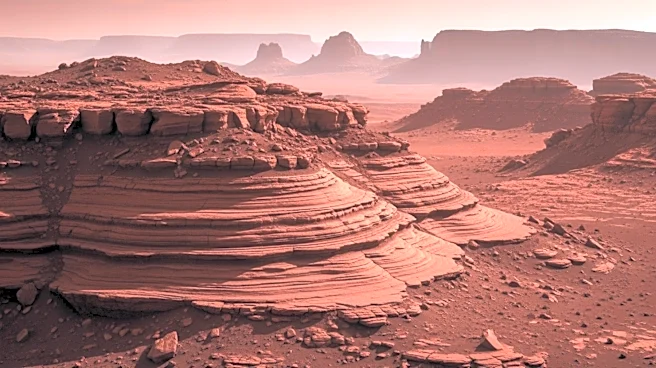
The bridges are carved from the white Permian sandstone of the Cedar Mesa Formation, which is known for its durability and resistance to erosion. This sandstone gives White Canyon its name and is a key factor in the formation of the bridges. The monument's three main bridges—Sipapu, Kachina, and Owachomo—each showcase different stages of this natural process, with Sipapu being the largest and most well-known.
Geological Features of the Monument
In addition to the natural bridges, the monument is home to a variety of other geological features. The canyons within the monument were formed as part of the Colorado River drainage system, with the river's erosive forces shaping the landscape over millions of years. The monument's elevation ranges up to 6,500 feet, providing stunning views of the surrounding landscape.
The monument also features significant biological soil crusts, which play a crucial role in preventing soil erosion and promoting the retention of soil nutrients. These crusts are composed of a variety of organisms, including cyanobacteria, lichens, and mosses, and are an important part of the monument's ecosystem.
The Impact of Erosion and Weathering
Erosion and weathering continue to shape the landscape of Natural Bridges National Monument. The forces of nature are constantly at work, gradually enlarging the openings of the bridges and altering the surrounding landscape. Evidence of this ongoing process can be seen in the collapsed natural bridges within the monument, which serve as a reminder of the impermanence of these natural formations.
The monument's unique geological features and the processes that formed them offer a fascinating glimpse into the natural history of the region. By studying these formations, geologists can gain a better understanding of the forces that have shaped the Earth's surface over millions of years. Natural Bridges National Monument stands as a testament to the power of nature and the beauty of the geological processes that continue to shape our world.