






Technical Diving International (TDI) has established itself as a prominent name in the world of technical diving. Founded in 1992, TDI has grown to become one of the largest technical diving certification agencies globally. This article explores the historical development of TDI, highlighting key milestones and the evolution of its training programs.
The Founding of TDI
TDI was founded in 1992 by Mitch Skaggs, Bret Gilliam, and David Sipperly. The founders were motivated
by a desire to provide specialized training for technical diving, which was gaining popularity at the time. The agency emerged from a split with the International Association of Nitrox and Technical Divers (IANTD) in 1993. This separation allowed TDI to focus on creating comprehensive training materials and courses tailored to the needs of technical divers.
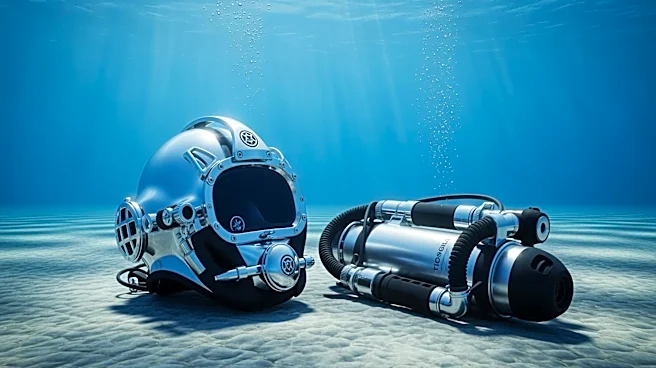
From its inception, TDI aimed to innovate within the technical diving market. The agency was among the first to offer mixed gas and rebreather training, setting a precedent for other organizations. By 1993, TDI had joined the ranks of a few technical diving organizations that were preparing professional divers for complex diving situations.
Expansion and Diversification
In 1998, TDI expanded its offerings by launching Scuba Diving International (SDI), a sister organization focused on recreational diving. This move allowed TDI to cater to a broader audience, providing a pathway for recreational divers to advance into technical diving. Two years later, in 2000, TDI introduced another sister organization, Emergency Response Diving International (ERDI), which specialized in public safety diving.
TDI's commitment to innovation continued as it developed new programs and techniques to enhance diver safety and training. The agency was one of the first to create a comprehensive insurance plan for technical diving instructors, further solidifying its reputation as a leader in the field.
Training Programs and Certification
TDI offers a wide range of courses for both students and professional divers. These include open circuit courses, rebreather courses, and training for overhead environments like caves and wrecks. The agency's curriculum is designed to meet the standards set by the World Recreational Scuba Training Council, ensuring that divers receive high-quality education.
TDI's training programs are known for their rigor and emphasis on safety. The agency provides courses on gas blending, decompression procedures, and advanced diving techniques. TDI also offers instructor trainer workshops and a Technical Divemaster Course, which serves as the first step toward leadership certification.
Through its dedication to innovation and comprehensive training, TDI has played a significant role in shaping the technical diving industry. Its history is marked by a commitment to safety, education, and the advancement of diving techniques, making it a respected name among divers worldwide.