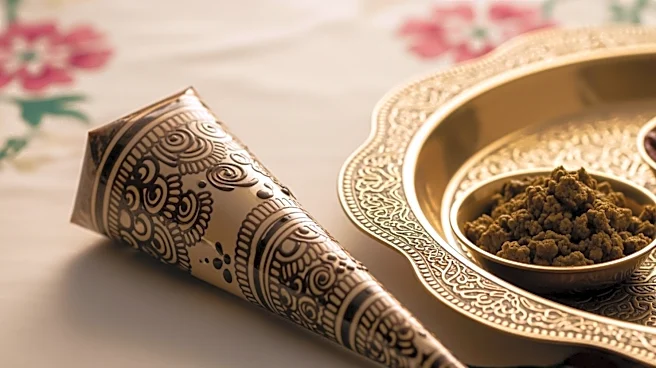





Henna, derived from the plant Lawsonia inermis, has been an integral part of wedding traditions in many cultures. Known for its ability to create intricate designs on the skin, henna is often used in ceremonies to symbolize joy, beauty, and blessings. This article delves into the cultural significance of henna in wedding traditions, highlighting its role in various religious and cultural practices.
Henna in Historical Context
Henna has a rich history that dates back thousands
of years. Historical evidence, such as Egyptian hieroglyphics and Mesopotamian statues, suggests that henna was used by early civilizations in the Middle East. The Assyrians, as early as the 8th century BC, are known to have used henna in marital contexts, applying it to the palms and fingernails of brides. This practice was not limited to marriage, as ancient Egyptians also used henna in burial rituals, indicating its broader cultural significance.
As Islamic cultures spread across Africa and Asia, the use of henna in wedding ceremonies became more widespread. The tradition of applying henna to brides and sometimes grooms became a symbol of celebration and protection, believed to bring good fortune and ward off evil spirits. This cultural exchange helped solidify henna's role in wedding traditions across various regions.
Henna Ceremonies Around the World
Henna ceremonies, often referred to as henna nights or mehndi nights, are celebrated in many cultures. In Moroccan Jewish traditions, henna is applied throughout the wedding process, which spans several days. Both the bride and groom receive henna designs, believed to offer protection and blessings. In Saudi Arabia, a family member who is already in a successful marriage often designs the henna for the bride, symbolizing the transfer of good fortune.
In South Asian cultures, particularly among Hindi and Urdu-speaking communities, henna is known as mehndi. The designs are often elaborate, covering extensive parts of the bride's body. These ceremonies are festive, akin to bachelorette parties in Western cultures, featuring music, dancing, and gift-giving.
The Symbolism and Modern Adaptations of Henna
Henna's symbolism in weddings is multifaceted. It represents joy, beauty, and blessings, with intricate designs that are believed to bring good luck. The application of henna is a communal activity, bringing together family and friends in celebration. This communal aspect reinforces social bonds and cultural identity.
In modern times, henna has transcended its traditional roots, becoming popular in Western cultures as a form of temporary body art. Despite this evolution, its core symbolism remains intact, continuing to play a vital role in wedding ceremonies worldwide. The adaptability of henna ensures its place in both traditional and contemporary celebrations, bridging cultural divides and uniting people through shared rituals.