
Pilates is a unique exercise system that emphasizes the connection between the mind and body. Developed by Joseph Pilates, this method is built on a foundation of core principles that guide its practice.
These principles focus on controlled movements, proper alignment, and the use of breath to enhance physical fitness.
The Five Essentials
At the heart of Pilates are the "five essentials," which form the basis of its exercises. These essentials include breath, cervical alignment, rib and scapular stabilization, pelvic mobility, and the utilization of the transversus abdominis. Each exercise in the Pilates repertoire flows from these principles, ensuring that movements are performed with precision and control.
Breath is a critical component of Pilates, as it helps to power the muscles and maintain focus during exercises. Joseph Pilates emphasized the importance of learning to breathe correctly, as it enhances the effectiveness of the workout. Proper cervical alignment and rib and scapular stabilization ensure that the body is correctly positioned, reducing the risk of injury and improving overall posture.
Core Strength and Flexibility
Pilates is renowned for its focus on core strength, often referred to as the "powerhouse" of the body. The core includes the muscles of the abdomen, lower back, and hips, which are essential for stability and balance. Pilates exercises are designed to strengthen these muscles, improving overall body control and endurance.
Flexibility is another key aspect of Pilates. The exercises promote a full range of motion, enhancing flexibility and reducing muscle tension. This combination of strength and flexibility makes Pilates an effective workout for improving physical fitness and preventing injuries.
Adaptability and Modern Practice
One of the strengths of Pilates is its adaptability. The exercises can be modified to suit different fitness levels, from beginners to advanced practitioners. This flexibility allows individuals to progress at their own pace, increasing the intensity of the workout as their bodies adapt.
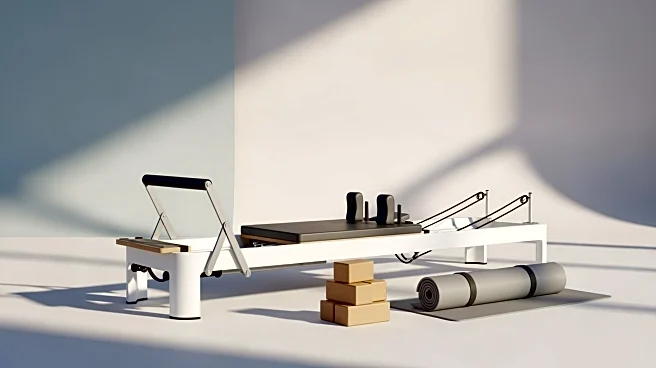
Pilates can be performed on a mat or using specialized equipment like the Reformer, which provides resistance to enhance the exercises. Accessories such as resistance bands and rings can also be incorporated to add variety and challenge. Despite its evolution, the core principles of Pilates remain unchanged, ensuring that practitioners continue to benefit from its holistic approach to fitness.