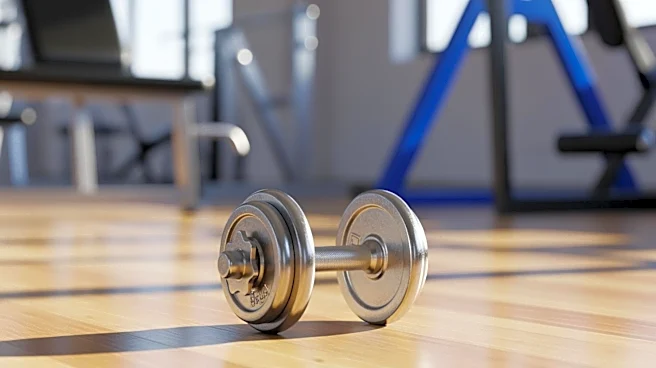







The lateral raise is a popular exercise in strength training, primarily targeting the deltoid muscles of the shoulder. This exercise is known for its ability to enhance shoulder width and definition, making it a staple in many workout routines. By focusing on the middle fibers of the deltoid, the lateral raise helps in achieving a balanced and aesthetically pleasing upper body. This article delves into the mechanics of the lateral raise, its variations,
and common errors to avoid.
Mechanics of the Lateral Raise
The lateral raise involves lifting weights to shoulder height, primarily working the deltoid muscle. The movement begins with the arms straight and the hands holding weights at the sides or in front of the body. The body is slightly leaned forward, with hips and knees bent a little. The arms are then raised through an arc in the coronal plane until the hands reach shoulder height. This movement is repeated for a set number of repetitions.
When performed correctly, the lateral raise effectively targets the middle head of the deltoid. The anterior and posterior heads of the deltoid also co-contract to assist in the abduction function. This exercise can be performed using dumbbells or a cable machine, with the latter allowing for a more controlled movement.
Variations of the Lateral Raise
There are several variations of the lateral raise that can be incorporated into a workout routine. The dumbbell lateral raise is the most common form, where weights are lifted from the sides to shoulder height. Another variation is the cable lateral raise, where the individual stands with the coronal plane in line with the pulley, which is at or near the ground. This variation allows for a constant tension on the muscles throughout the movement.
The exercise can also be performed one shoulder at a time, with the other hand used to stabilize the body against the weight moved. This unilateral approach can help in correcting muscle imbalances and ensuring equal strength development on both sides of the body.
Common Errors and How to Avoid Them
Despite its simplicity, the lateral raise is often performed incorrectly, leading to reduced effectiveness and potential injury. One common error is external rotation of the shoulder during the lift, which activates the rotator cuff muscles and decreases the utilization of the lateral deltoid. To avoid this, ensure that the shoulder remains in a neutral position throughout the movement.
Another mistake is using momentum to lift the weights, which can involve the hips or spine and lessen the emphasis on the lateral deltoids. To prevent this, focus on controlled movements and avoid swinging the weights. Additionally, keeping the arms locked out at extension can put stress on the joints, so it's important to maintain a slight bend in the elbows.
By understanding the mechanics, variations, and common errors of the lateral raise, individuals can effectively incorporate this exercise into their strength training routine for optimal shoulder development.