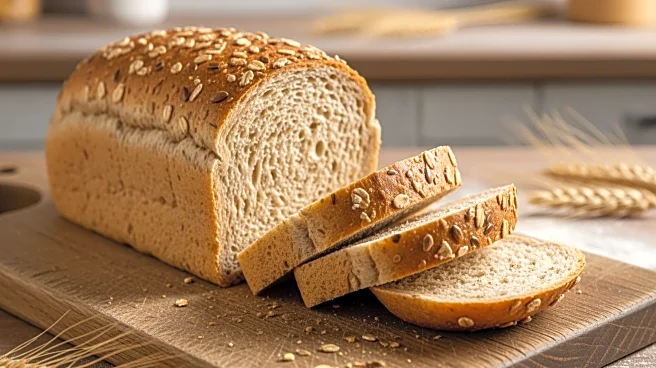




Whole wheat bread, a staple in many diets, has a rich history and diverse variations across the globe. This type of bread is made using flour that is partly or entirely milled from whole or almost-whole wheat grains. Known for its nutritional benefits, whole wheat bread has evolved in its composition and naming conventions, reflecting cultural and regional differences.
Historical Background
The term "whole wheat bread" can be traced back to the use of whole-grain flour,
which includes all parts of the wheat grain: the bran, germ, and endosperm. This composition is significant because it retains the natural nutrients found in wheat. Historically, the milling process for whole wheat flour was less refined, which meant that the bread retained more of the grain's original components compared to white bread.
In the past, whole wheat bread was often associated with health and nutrition, as it provided more fiber and nutrients than its white counterpart. The milling process has evolved over time, with some regions opting to remove parts of the wheat germ to prevent rancidity, as seen in Canada. Despite these changes, the core idea of using the whole grain remains central to the identity of whole wheat bread.
Regional Variations
The composition and naming of whole wheat bread vary significantly across different regions. In the United States, the term "wheat bread" is sometimes used ambiguously, often leading consumers to believe they are purchasing whole wheat bread when, in fact, it may contain little whole grain content. This is because most white bread is made from wheat flour, allowing it to be labeled as "wheat bread."
In contrast, the United Kingdom has stricter regulations. Bread labeled as "wholemeal" must contain 100% wholemeal flour, ensuring that consumers receive a product that is true to its name. Additionally, UK regulations require most flour to be fortified with nutrients like calcium and iron, although wholemeal flour is exempt due to its inherent nutritional content.
Modern Trends and Challenges
Today, whole wheat bread continues to be a popular choice for health-conscious consumers. However, the market faces challenges related to labeling and consumer perception. In some cases, bread marketed as whole wheat may not contain the full nutritional benefits expected by consumers, due to variations in the milling process or the addition of non-whole grain ingredients.
Despite these challenges, whole wheat bread remains a symbol of wholesome nutrition. Its evolution reflects broader trends in food production and consumer awareness, highlighting the importance of transparency and regulation in the food industry. As consumers become more informed, the demand for genuine whole wheat products is likely to grow, encouraging producers to adhere to stricter standards.