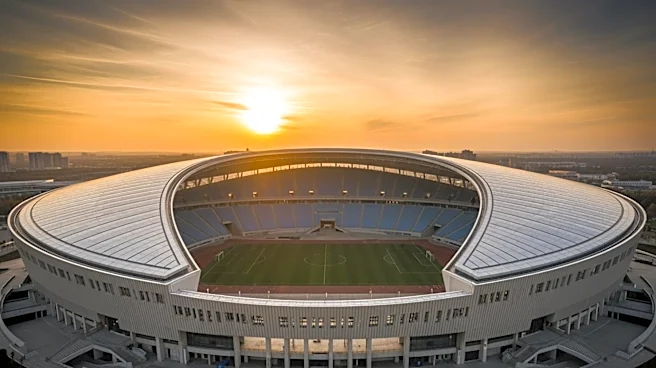




Wembley Stadium, constructed in 1923, was not just a sports venue but a cultural and sporting landmark in London, England. Over its 80-year history, it hosted numerous events that left a lasting impact on both sports and popular culture. This article explores the stadium's role as a central hub for major events and its influence on the cultural landscape.
A Hub for Sporting Excellence
From its inception, Wembley Stadium was designed to be a premier sports venue. It quickly became
the home of English football, hosting the FA Cup Finals and other significant matches. The stadium's capacity and design made it an ideal location for large-scale sporting events, drawing fans from across the country and beyond.
One of the most notable sporting events held at Wembley was the 1948 Summer Olympics. The stadium served as a key venue for the games, showcasing its ability to host international competitions. This event solidified Wembley's reputation as a world-class sports arena, capable of accommodating the needs of athletes and spectators alike.
A Stage for Cultural Milestones
Wembley Stadium was not only a sports venue but also a stage for cultural milestones. In 1985, it hosted the Live Aid concert, a groundbreaking event in music history. The concert brought together some of the biggest names in the music industry to raise funds for famine relief in Africa. This event highlighted Wembley's versatility and its role as a gathering place for significant cultural moments.
The stadium's ability to host such diverse events made it a beloved venue for both sports and entertainment. It became a symbol of unity and celebration, where people from all walks of life could come together to enjoy world-class performances and competitions.
The Legacy of Wembley Stadium
Although the original Wembley Stadium was demolished in 2003, its legacy continues to influence the world of sports and entertainment. The decision to rebuild the stadium on the same site was a testament to its enduring significance. The new Wembley Stadium, which opened in 2007, carries on the tradition of hosting major events and remains a central part of London's cultural landscape.
Wembley Stadium's impact on sports and culture is undeniable. It served as a venue for unforgettable moments and played a crucial role in shaping the history of both fields. As a cultural and sporting landmark, Wembley Stadium will always be remembered for its contributions to the world of sports and entertainment.