


Peptide synthesis is a crucial process in the field of biochemistry, enabling the creation of specific peptide sequences for research and therapeutic applications. This chemical process allows scientists to design and produce peptides with desired properties, paving the way for advancements in medicine and biotechnology. This article delves into the methods and significance of peptide synthesis, highlighting its role in modern science.
The Process of Peptide Synthesis
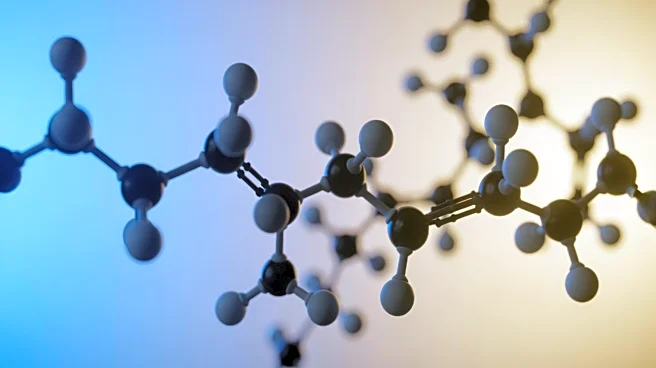
Peptide synthesis involves the chemical creation of peptide chains, which are sequences of amino acids linked by peptide bonds. The process typically begins with the selection of a specific amino acid sequence, which is then assembled step by step. Each amino acid is added to the growing chain through a series of chemical reactions, forming peptide bonds between them.One common method
of peptide synthesis is solid-phase peptide synthesis (SPPS). In this technique, the peptide chain is assembled on a solid support, such as a resin, which facilitates the sequential addition of amino acids. This method allows for precise control over the peptide sequence and is widely used in laboratories for creating custom peptides.
SPPS involves several key steps, including the protection and deprotection of functional groups, coupling reactions to form peptide bonds, and the final cleavage of the peptide from the solid support. These steps require careful optimization to ensure the correct sequence and structure of the synthesized peptide.
Applications of Peptide Synthesis
Peptide synthesis has a wide range of applications in research and industry. In the field of medicine, synthetic peptides are used to develop new drugs and therapies. Peptide-based drugs can target specific diseases with high precision, offering a promising approach to treatment. For example, synthetic peptides are being explored as potential treatments for cancer, diabetes, and infectious diseases.In biotechnology, peptides are used as tools for studying protein interactions and cellular processes. Synthetic peptides can mimic natural peptides, allowing researchers to investigate their functions and roles in biological systems. This knowledge can lead to the development of new diagnostic tools and therapeutic strategies.
Peptide synthesis also plays a role in materials science, where peptides are used to create novel materials with unique properties. These materials have potential applications in areas such as drug delivery, tissue engineering, and nanotechnology.
The Future of Peptide Synthesis
As technology advances, the field of peptide synthesis continues to evolve. New methods and techniques are being developed to improve the efficiency and accuracy of peptide synthesis. These advancements hold the potential to expand the applications of synthetic peptides and drive innovation in various scientific fields.In conclusion, peptide synthesis is a vital process that enables the creation of specific peptide sequences for a wide range of applications. Its significance in medicine, biotechnology, and materials science underscores the importance of continued research and development in this area.