
Vegetables have been a part of human diets for thousands of years, evolving from wild foraged foods to cultivated staples. This article explores the historical journey of vegetables, from their early use
by hunter-gatherers to their role in modern agriculture and global trade.
Early Cultivation and Domestication
Before the advent of agriculture, humans were primarily hunter-gatherers, relying on wild plants and animals for sustenance. Vegetables were collected from the wild, providing essential nutrients alongside hunted meat. The transition to agriculture marked a significant shift, with the domestication of plants occurring between 10,000 BC and 7,000 BC.
Early agricultural societies began cultivating local plants, selecting strains with desirable traits such as larger fruits and better yields. This process of plant breeding laid the foundation for the diverse array of vegetables we have today. As trade routes developed, exotic crops were introduced to new regions, further expanding the variety of vegetables available.
Vegetables in Ancient Civilizations
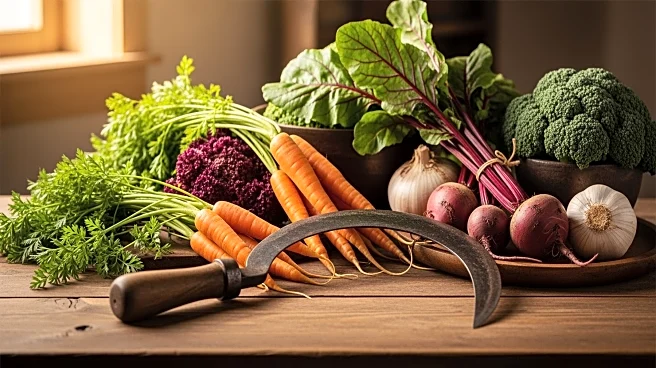
Throughout history, vegetables have played a crucial role in the diets of various civilizations. In ancient China, rice and wheat were staple crops, complemented by vegetables like yams, soybeans, and garlic. The diet of the ancient Egyptians was based on bread, with vegetables such as onions, leeks, and radishes providing essential nutrients.
The Greeks and Romans also valued vegetables, incorporating them into their diets alongside grains and meats. The Romans, for example, grew broad beans, peas, and turnips, while the Greeks cultivated onions, cabbages, and lentils. These ancient societies recognized the importance of vegetables in maintaining a balanced diet.
Modern Vegetable Production and Trade
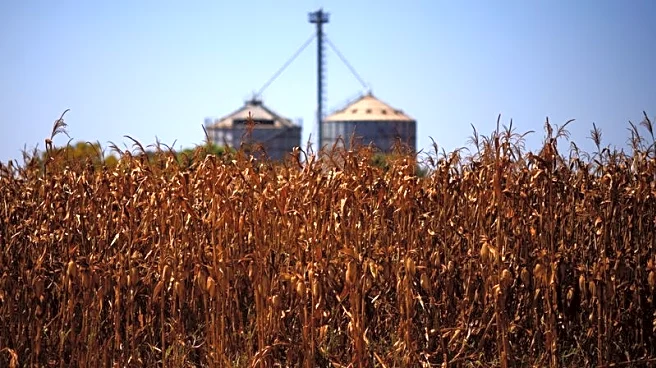
Today, vegetables are grown worldwide, with China being the largest producer. The global trade in agricultural products allows consumers to access a wide variety of vegetables, regardless of local climate conditions. Advances in agricultural technology have enabled the cultivation of vegetables in less suitable environments, ensuring a steady supply year-round.
The scale of vegetable production varies, from small subsistence farms to large agribusinesses. Modern farming techniques, including the use of greenhouses and polytunnels, have extended growing seasons and increased yields. This has made vegetables more accessible and affordable for people around the world.
In conclusion, the journey of vegetables from wild foraged foods to cultivated staples reflects the evolution of human societies. Their historical significance and continued importance in modern diets highlight the enduring value of vegetables in promoting health and well-being.