
Direct fuel injection has revolutionized the way internal combustion engines operate, offering significant improvements in efficiency and emissions reduction. This technology, which involves injecting
fuel directly into the combustion chamber, has become a cornerstone in modern engine design. By examining its development and impact, we can better understand how it has shaped the automotive industry.
The Rise of Direct Fuel Injection
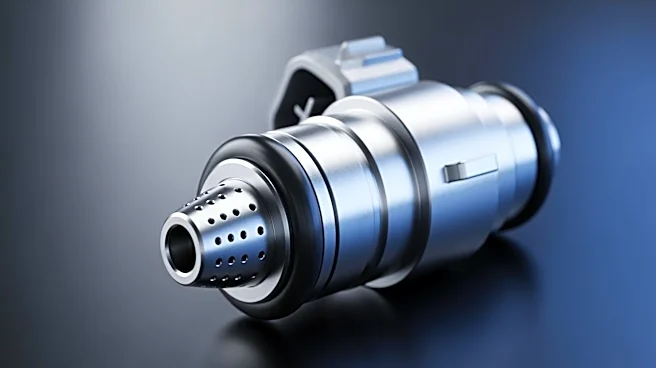
Direct fuel injection technology has been a game-changer for internal combustion engines. Unlike traditional methods where fuel is mixed with air before entering the combustion chamber, direct injection delivers fuel directly into the chamber. This allows for more precise control over the fuel-air mixture, leading to better combustion efficiency. The technology has been particularly beneficial for both gasoline and diesel engines, each benefiting from improved power output and fuel economy.
The adoption of direct injection in gasoline engines, known as Gasoline Direct Injection (GDI), has been a significant milestone. GDI engines can operate with a leaner fuel mixture, which reduces fuel consumption and emissions. This has made them a popular choice for manufacturers looking to meet stringent environmental regulations. Similarly, direct injection diesel engines have seen improvements in performance and efficiency, making them a staple in the automotive industry.
Benefits and Challenges
The benefits of direct fuel injection are numerous. By allowing for more precise control over the combustion process, engines can achieve higher power outputs while using less fuel. This not only improves fuel economy but also reduces the amount of harmful emissions released into the atmosphere. The technology also enhances engine responsiveness, providing a smoother driving experience.
However, the implementation of direct injection technology is not without its challenges. The complexity of the system requires advanced engineering and manufacturing processes, which can increase production costs. Additionally, direct injection engines can be more susceptible to issues such as carbon buildup on intake valves, which can affect performance over time. Despite these challenges, the advantages of direct injection continue to drive its adoption in the automotive industry.
The Future of Direct Injection
As environmental concerns and fuel efficiency standards continue to shape the automotive landscape, direct fuel injection is poised to play an even more critical role. Advances in technology are expected to further enhance the efficiency and performance of direct injection systems. Researchers are exploring new materials and designs to address current challenges and improve the longevity of these engines.
In conclusion, direct fuel injection has transformed the internal combustion engine, offering significant benefits in terms of efficiency and emissions reduction. As technology continues to evolve, it will likely remain a key component in the quest for more sustainable and efficient automotive solutions.