



Group 5 racing cars have left an indelible mark on the world of motorsport, known for their innovative designs and fierce competition. From 1966 to 1982, this FIA classification pushed the boundaries of automotive engineering, leading to some of the most iconic and technologically advanced racing cars of the era. The legacy of Group 5 continues to influence modern racing and automotive design.
Pioneering Engineering and Design
The introduction of Group 5 regulations in 1966 marked
a new era of innovation in motorsport. Initially focused on Special Touring Cars, the classification allowed for extensive modifications beyond those permitted in other touring car categories. This freedom led to the development of highly modified vehicles that showcased cutting-edge engineering and design.
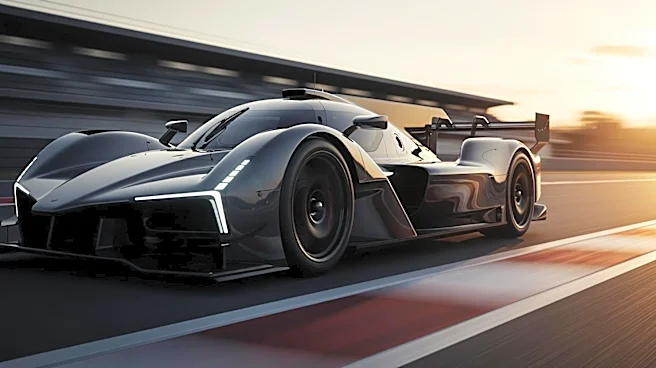
As Group 5 evolved into a category for Sports Cars and later Special Production Cars, manufacturers continued to push the limits of what was possible. The liberal silhouette formula introduced in 1976 allowed for significant alterations to production-based vehicles, resulting in some of the most visually striking and technically advanced cars on the track. These innovations not only enhanced performance but also set new standards for automotive design.
Competitive Spirit and Iconic Races
Group 5 cars were a staple in some of the most prestigious racing championships, including the World Championship for Makes and the Deutsche Rennsport Meisterschaft. The fierce competition among manufacturers and teams led to thrilling races and unforgettable moments in motorsport history.
The rivalry between iconic models like the Porsche 917 and Ferrari 512S during the early 1970s exemplified the competitive spirit of Group 5 racing. These cars, with their powerful engines and aerodynamic designs, captivated audiences and set new benchmarks for performance. The intense battles on the track not only entertained fans but also drove manufacturers to continually innovate and improve their vehicles.
Lasting Influence on Motorsport
Although Group 5 was discontinued in 1982, its influence on motorsport and automotive design endures. The innovations and advancements made during this era laid the groundwork for future developments in racing technology. The emphasis on aerodynamics, engine performance, and vehicle modifications set a precedent for modern racing cars.
The legacy of Group 5 is also evident in the continued popularity of silhouette racing and the ongoing fascination with the iconic cars of this era. Enthusiasts and collectors alike celebrate the history and achievements of Group 5, ensuring that its impact on motorsport is remembered and appreciated.
In conclusion, Group 5 racing cars represent a pivotal chapter in the history of motorsport. Their legacy of innovation, competition, and influence continues to inspire and shape the future of racing and automotive design.