


Super Bowl XXVII is not only remembered for the Dallas Cowboys' victory but also for its groundbreaking halftime show featuring Michael Jackson. Held on January 31, 1993, at the Rose Bowl in Pasadena, California, the halftime show marked a turning point in the history of Super Bowl performances, setting a new standard for entertainment.
The Performance
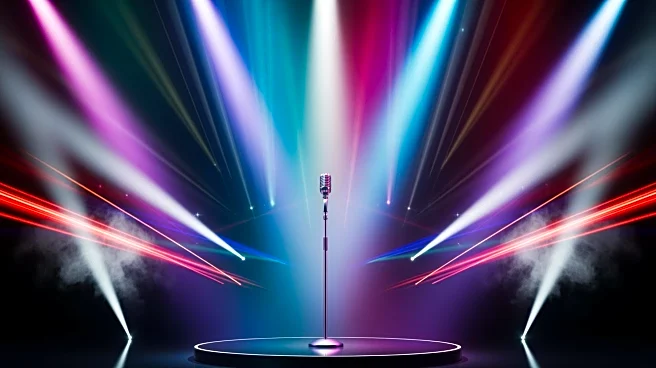
Michael Jackson's halftime show at Super Bowl XXVII was a spectacle that captivated audiences both in the stadium
and at home. The performance began with Jackson appearing to be at the top of the stadium's jumbotrons, only to catapult onto the stage moments later. He stood motionless for nearly two minutes, building anticipation before launching into a medley of his hits.
The setlist included iconic songs such as "Jam," "Billie Jean," and "Black or White." The performance was choreographed by Vincent Paterson and featured Jackson's signature dance moves, including the moonwalk. The show concluded with a powerful rendition of "We Are the World," accompanied by a choir of over 3,000 children from the Los Angeles area, and "Heal the World," during which an inflatable globe was unveiled on stage.
Impact and Legacy
Michael Jackson's performance at Super Bowl XXVII was a pivotal moment in the evolution of halftime shows. Prior to this, halftime performances often featured marching bands and drill teams, which were considered outdated by the 1990s. Jackson's show introduced a new era of high-profile musical acts, transforming the halftime show into a major entertainment event.
The performance was a resounding success, achieving its goal of increasing viewership during the halftime period. For the first time in Super Bowl history, the audience grew between halves, with 133.4 million viewers tuning in across the United States. This set a record for the most-watched halftime show at the time and was recognized by Guinness World Records as the most-watched television event in the U.S.
Cultural Significance
The success of Michael Jackson's halftime show had a lasting impact on the Super Bowl and the entertainment industry. It established the halftime show as a coveted platform for artists, leading to performances by other major stars in subsequent years. The show also contributed to a surge in sales for Jackson's album "Dangerous," highlighting the commercial potential of such performances.
In retrospect, Jackson's halftime show is often ranked among the greatest of all time, credited with setting the standard for future performances. It demonstrated the power of music and spectacle to captivate audiences and remains a defining moment in the history of Super Bowl entertainment.