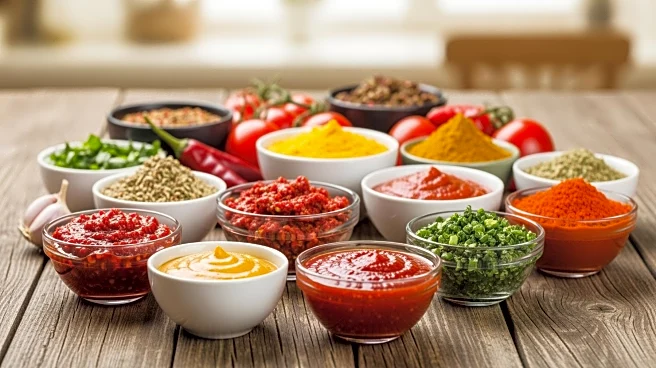




Condiments are more than just flavor enhancers; they are a reflection of cultural identity and culinary tradition. Across the globe, different regions have developed unique condiments that complement their local cuisines. This article explores the cultural significance and regional variations of condiments, highlighting their role in global culinary practices.
Asian Condiments
In Asia, condiments are an essential part of the dining experience, often used to balance
flavors and add depth to dishes. Soy sauce, a staple in many Asian cuisines, is used both as a cooking ingredient and a table condiment. Its rich umami flavor enhances the taste of various dishes, from stir-fries to sushi.
In addition to soy sauce, Asian cuisines feature a variety of other condiments, such as chili oil, vinegar, and shichimi. These condiments are commonly found in traditional Asian restaurant settings, allowing diners to customize their meals to their taste preferences. The use of condiments in Asia reflects the region's emphasis on harmony and balance in culinary practices.
European Traditions
Europe has a rich history of condiment use, with each country boasting its own unique flavors. In France, mustard is a beloved condiment, with Dijon mustard being particularly famous. The city of Dijon has been a center for mustard production since the 13th century, and its mustard is known for its distinctive flavor and quality.
In the United Kingdom, condiments like mint sauce and horseradish are traditional accompaniments to roast meats. These condiments not only enhance the flavor of the dishes but also reflect the country's culinary heritage. The use of condiments in Europe showcases the region's diverse culinary traditions and the importance of flavor in their cuisine.
American Innovations
In the United States, condiments have become an integral part of the food culture, with ketchup and mustard being ubiquitous in American households. These condiments are commonly used on fast food items like burgers and hot dogs, reflecting the country's love for convenience and bold flavors.
American cuisine has also embraced the fusion of different culinary traditions, leading to the creation of new condiments like barbecue sauce and ranch dressing. These innovations highlight the dynamic nature of American food culture and the country's openness to new flavors and combinations.
Condiments are a testament to the diversity and richness of global culinary traditions. They not only enhance the flavor of dishes but also serve as a cultural bridge, connecting people through shared tastes and experiences. As the world becomes more interconnected, the exchange of culinary ideas and condiments will continue to enrich our dining experiences.