



The polo shirt, a versatile garment with a collar and typically short sleeves, has a rich history that traces back to the sports fields of British India. Originally designed for polo players, this shirt has undergone significant transformations over the years, evolving from a functional sportswear item to a fashion staple embraced by people worldwide. This article delves into the historical journey of the polo shirt, highlighting its origins, key
developments, and its eventual rise to fashion prominence.
Origins in Sports
The polo shirt's journey began in the 19th century when it was first worn by polo players in British India. The need for a comfortable and practical shirt that allowed ease of movement during the game led to the creation of this garment. Initially, polo players wore thick, long-sleeved shirts made of Oxford-cloth cotton. These shirts featured a buttoned-down collar, a design innovation by polo players to prevent the collar from flapping in the wind during play.
As the sport gained popularity, the polo shirt made its way to Great Britain in the 1920s. The shirt's design continued to evolve, with the introduction of short sleeves and a more breathable fabric, making it more suitable for the sport. This adaptation not only enhanced the players' comfort but also set the stage for the polo shirt's transition into mainstream fashion.
The Influence of René Lacoste
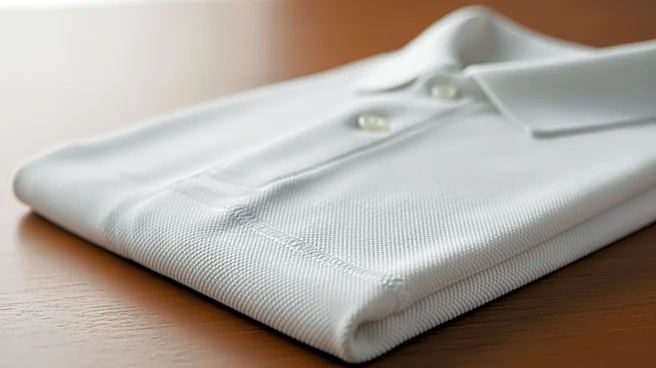
A significant turning point in the polo shirt's history came with the influence of René Lacoste, a French tennis champion. In the 1920s, Lacoste found the traditional tennis attire cumbersome and uncomfortable. He designed a white, short-sleeved shirt made of loosely-knit piqué cotton, featuring a flat, protruding collar and a longer back, known as the "tennis tail." This design not only improved comfort and functionality but also introduced a new style to the sportswear market.
Lacoste's innovation extended beyond tennis, as his shirt design was soon adopted by polo players. In 1933, Lacoste, along with André Gillier, began marketing the shirt in Europe and North America under the brand Chemise Lacoste. The shirt featured a small embroidered crocodile logo, a nod to Lacoste's nickname, "The Crocodile." This branding element became iconic, further cementing the polo shirt's place in fashion history.
Ralph Lauren and the Modern Polo Shirt
The modern polo shirt owes much of its popularity to Ralph Lauren, who in 1972, introduced a line of polo shirts as part of his Polo brand. Although not specifically designed for polo players, Lauren's shirts imitated the attire associated with the sport. His marketing strategy, which included a logo depicting a polo player and pony, played a crucial role in popularizing the polo shirt as a fashion item.
Lauren's polo shirts became synonymous with a preppy, casual style, appealing to a wide audience beyond sports enthusiasts. The versatility of the polo shirt, available in various colors and fabrics, made it a wardrobe staple for both men and women. Today, the polo shirt continues to be a symbol of timeless style, bridging the gap between sportswear and fashion.