





The Watergate scandal was not only a pivotal moment in American political history but also a landmark event in the evolution of media coverage. The Senate Watergate Committee hearings, which began on May 17, 1973, were broadcast live on television, bringing the drama of the investigation into millions of American homes. This unprecedented media coverage played a crucial role in shaping public perception and understanding of the scandal.
The Reach of Television Coverage
The decision
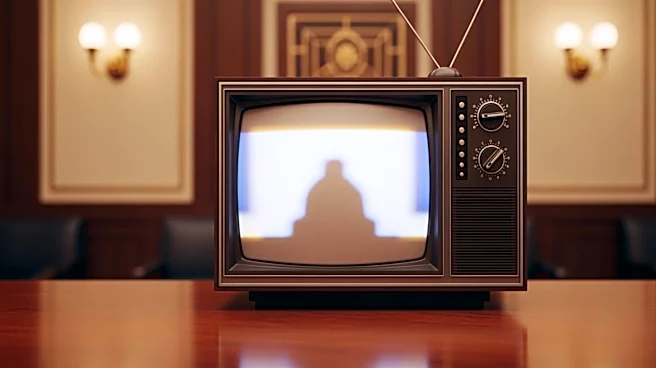
to televise the Watergate hearings was a significant one, as it allowed the American public to witness the proceedings firsthand. Major networks such as CBS, NBC, and ABC initially covered the hearings simultaneously, later rotating coverage, while PBS provided nightly replays. In total, 319 hours of the hearings were broadcast, with an estimated 85% of U.S. households watching some portion of the coverage.
The extensive television coverage made the hearings a national event, capturing the attention of viewers across the country. The live broadcasts allowed the public to see and hear the testimony of key witnesses, including former White House Counsel John Dean and former White House Deputy Assistant Alexander Butterfield. This direct access to the proceedings helped to demystify the complex scandal and engage the public in the unfolding drama.
Impact on Public Opinion
Television coverage of the Watergate hearings had a profound impact on public opinion. The live broadcasts provided a window into the inner workings of the Nixon administration and the extent of the cover-up efforts. As viewers watched the testimony of witnesses and the questioning by committee members, they gained a deeper understanding of the scandal and its implications.
The televised hearings also contributed to a growing sense of distrust in government officials. The revelations of illegal activities and unethical conduct within the Nixon administration shocked many Americans and led to increased calls for accountability and transparency in government. The public's engagement with the hearings helped to build momentum for the eventual impeachment proceedings against President Nixon.
The Legacy of Televised Hearings
The Watergate hearings set a precedent for the role of television in covering major political events. The success of the televised coverage demonstrated the power of media to inform and engage the public in important national issues. It also highlighted the potential for television to serve as a tool for transparency and accountability in government.
In the years following Watergate, television continued to play a significant role in covering political scandals and congressional investigations. The legacy of the Watergate hearings can be seen in the continued use of televised coverage to bring important political events to the public's attention, reinforcing the importance of media in a democratic society.